 By Graham Fisher
Updated November 2026
If you are looking at next 96ft gym flooring exercise mats black, the goal is usually simple: cover a strip of floor that fits a standard gym setup, protect your subfloor, and keep the surface stable under weights. This guide walks you through how to think about the mats, how to measure your space, how to check thickness and density, and how to lay the mats out so they stay put. Once you finish, you will know what to buy and how to fit it to your room.
Start With What “96 Feet” Means for Your Floor
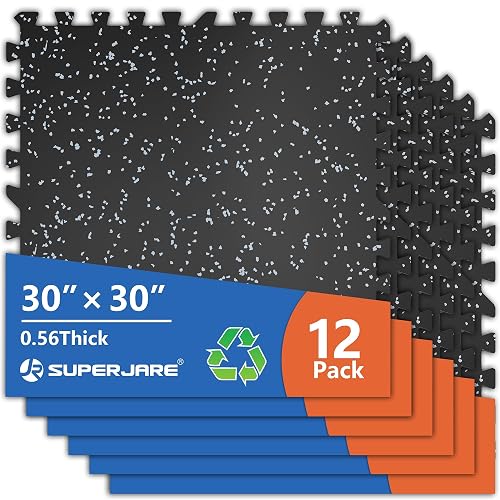
Before comparing mats, sort out the measurement. Most sellers using the phrase “96ft” are describing a roll or a set of tiles that adds up to a total run, not a single 96-foot mat. Many rolls are sold in lengths around 4 to 6 feet by 4 feet wide, and tile sets are sold by square footage. Read the listing carefully and confirm whether you are buying one continuous piece, a roll, or a bundle of interlocking tiles. Manufacturers usually state the exact dimensions in the spec sheet. If the number is unclear, contact the seller and ask for the length, width, and thickness in writing.
Shopping for one? See our guide: 3 Best Black Gym Mat Flooring Options for Home Gyms (2026).
Measure Your Room the Right Way
- Measure the length and width of the area you plan to cover, in inches, at the widest and longest points.
- Subtract clearance for doors, closets, and any fixed equipment such as a rack or cable machine.
- Add a few inches of overlap if you plan to use a roll that you will trim.
- Mark the layout on paper or with painter’s tape before you buy so you can see the footprint.
- Leave at least 2 to 3 feet of clear space around any barbell or lifting station so you can move safely.
Check Thickness, Density, and Surface
For black exercise mats, thickness and density do most of the work. Thin mats protect the floor from scuffs but do little for impact. Thicker mats absorb drops and reduce noise, though very soft foam can wobble under a heavy barbell. Rubber is the most common material for dropped weights. Manufacturers typically list thickness in millimeters or inches, and density in pounds per cubic foot or a similar rating. Compare those numbers, not just the color.
| Mat Type | Typical Use | Things to Watch |
|---|---|---|
| Thin rubber roll | Light cardio, bodyweight work | Limited drop protection, may slide on hard floors |
| Thick rubber tile | Free weights, barbell lifting | Check interlock quality and edge fit |
| Dense foam tile | Yoga, floor work, light training | Can compress under heavy plates |
| Vinyl or PVC mat | Garage and utility areas | Check for odor and stiffness in cold rooms |
Pay attention to surface texture too. A smooth top can feel slick with sweaty hands, while a heavily textured top can make it harder to slide equipment into position. Look for a surface described as anti-slip or grip-textured. Ask about off-gassing if you are setting mats in a closed room. Some owners report a rubbery smell for the first few days, which usually fades with ventilation.
Lay Out and Secure the Mats
Good layout matters as much as good material. Start by cleaning the subfloor and removing debris. Dust and grit can create gaps that shift under load. Lay the first tile or roll section in the corner that will be your main lifting zone, then work outward. Interlocking tiles should click together flush with no gaps. If you are using a roll, unroll it and let it rest for a day or two so it lies flat before you cut.
Tools and Supplies You Will Need
- Tape measure and a straightedge
- Utility knife with spare blades
- Painter’s tape for marking layout lines
- Rubber mallet for tapping seams together
- Broom or vacuum for prep
- Optional: adhesive or seam tape if the manufacturer recommends it for your floor
Cutting and Edge Finishing
Trim rolls with a sharp utility knife along a straightedge, making several passes rather than one hard cut. Cut tiles along the gridlines, and use a short piece on the edges so the perimeter looks finished. Check that the cut edges line up with adjacent tiles. If you are installing near a wall, leave a small expansion gap as the manufacturer recommends so the material can move with temperature changes.
Common Mistakes to Avoid
- Buying by color alone. Two black mats can differ greatly in density and drop protection.
- Skipping the subfloor check. Uneven concrete or a soft wood floor can cause mats to rock or buckle.
- Forgetting clearance. A bench or rack needs room to move without scraping the mat edge.
- Cutting too early. Let rolls relax before trimming, or your measurements will be off.
- Ignoring floor protection under heavy equipment. Check whether the subfloor needs extra support for a loaded rack.
Recommended gear
These items help with installing and maintaining a black mat setup. Confirm sizes and specs against the mat manufacturer’s instructions before buying.
- Utility knife with replaceable blades: A sharp, sturdy blade makes clean cuts through rubber and foam without tearing the edges. View on Amazon
- Heavy-duty steel straightedge: A long metal ruler keeps cuts straight and protects your fingers during trimming. View on Amazon
- Rubber mallet: Tapping tiles gently into place closes seams without damaging interlocking edges. View on Amazon
- Floor cleaner for rubber mats: A pH-neutral cleaner helps keep black rubber from dulling or getting sticky over time. View on Amazon
Tips for a Lasting Setup
Wipe the mats down after heavy sessions, and avoid petroleum-based cleaners that can break down rubber. Rotate or reposition high-traffic tiles if you notice wear in one area. Keep sharp objects off the surface, and do not drag heavy plates across the mat edges. If you move the setup, separate the tiles and store them flat rather than stacked on an angle, which can warp them.
FAQ
Is a 96-foot black gym mat one piece?
Usually not. Sellers use the phrase loosely. Most products are sold as rolls or interlocking tiles that add up to a total area. Check the listing for the individual piece dimensions and the number of pieces in the set.
How thick should black gym flooring be for dropped weights?
Thicker rubber generally offers more drop protection, but the right thickness depends on your lifts and your subfloor. Check the manufacturer’s stated thickness and ask whether it is rated for barbell work.
Do black exercise mats smell?
New rubber and vinyl mats sometimes have a noticeable odor, especially in closed rooms. Owners often report that it fades after a few days with good ventilation.
Can I install mats over concrete?
Yes, most mats work on concrete. Clean and level the surface first, and check for moisture. A damp slab can cause mold or adhesive problems, so use a moisture barrier if the manufacturer recommends one.
Do I need adhesive?
Many interlocking mats do not need adhesive. Rolls on smooth floors may benefit from it. Follow the manufacturer’s guidance, since some adhesives can damage certain surfaces.
How do I clean black rubber gym mats?
Use a mild, pH-neutral cleaner diluted in water, wipe with a soft cloth, and let the mat dry fully. Avoid harsh solvents and oil-based products unless the manufacturer approves them.
Will a mat protect my floor from a heavy rack?
A mat helps distribute load and reduce scratches, but it does not replace proper floor support. For heavy racks or loaded equipment, consult a structural professional about whether your floor can carry the weight.
Conclusion
Buying next 96ft gym flooring exercise mats black comes down to understanding what the listing actually includes, measuring your room with clearance in mind, and checking thickness and density rather than color alone. Lay the mats on a clean subfloor, trim carefully, and keep the surface maintained with a gentle cleaner. Take your time with the layout and you will end up with a stable, quiet floor for lifting and training.
Ready to choose one?
Related reading
- Rubber Mat Flooring for Home Gym: 7 Best Picks for 2026
- Rubber Gym Flooring Used: How to Buy and Check Secondhand Mats
- Horse Stall Mats for Gym Flooring: 7 Best Picks for Home Gyms (2026)
About Graham Fisher
Graham Fisher is part of our editorial team and reviews and edits our budget home gym equipment guides, checking product details against manufacturer specifications and owner feedback.