 By Graham Fisher
Updated November 2026
Choosing gym room rubber flooring comes down to four things: how much weight will hit the floor, how much noise and vibration you need to absorb, how easily the tiles install and reconfigure, and how the surface holds up to sweat, chalk and dropped equipment. This list compares seven interlocking and tile-style options that appear frequently in home gym setups, with the selection based on manufacturer specifications, brand track record and common owner feedback patterns rather than hands-on testing. Each pick is matched to a specific need so you can narrow the field quickly.
Our top picks at a glance
- 1
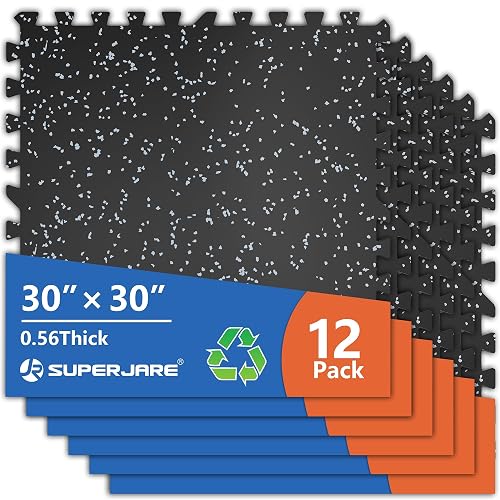
 TOP CHOICEBest overallSUPERJARE 0.56-inch High Density Gym Mat with Upgraded Rubber TopView on Amazon
- 2
 TOP CHOICEBest for thick gym floorsSUPERJARE 0.79-inch Extra-Thick Rubber Top Floor TilesView on Amazon
- 3
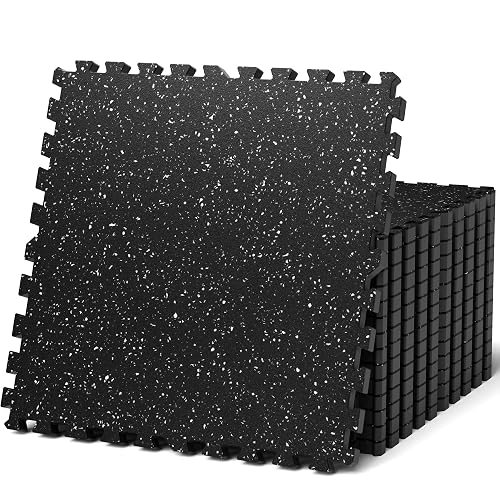 TOP CHOICEBest for heavy lifting zonesAIRHOP 0.79in Thick Exercise Equipment MatsView on Amazon
- 4
 Best for maximum impact protectionAIRHOP 1-inch Ultra-Thick Rubber Top Gym FlooringView on Amazon
- 5
 Best budget pickAIRHOP 0.56in Exercise Equipment Mats (24 x 24in)View on Amazon
- 6
 Best for odor-free barbell workPerformance Series Interlocking Floor Tiles (TPE, Made in USA)View on Amazon
- 7
 Best for garage and outdoor-adjacent useInterlocking Rubber Floor Tiles – Heavy Duty 100% Rubber (Gray Fleck)View on Amazon
Our Top Picks
Quick Comparison
| Product | Best for | Key feature |
|---|---|---|
| SUPERJARE 0.56-inch High Density Gym Mat | General home gym floors | Rubber top over high-density EVA foam core |
| SUPERJARE 0.79-inch Extra-Thick Floor Tiles | Thicker cushioning under equipment | 0.79-inch thickness, 12 tiles covering 48 sq ft |
| AIRHOP 0.79in Exercise Equipment Mats | Heavy weight workouts | Large interlocking puzzle format with rubber top |
| AIRHOP 1-inch Ultra-Thick Gym Flooring | Maximum impact absorption | 1-inch thickness over high-density EVA |
| AIRHOP 0.56in Exercise Equipment Mats | Budget-conscious setups | 24 x 24in tiles, 0.56-inch thickness |
| Performance Series Interlocking Floor Tiles | Barbell and heavy equipment use | TPE rubber-like material, no foam odor |
| Interlocking Rubber Floor Tiles (Gray Fleck) | Garage and workout rooms | 100% rubber construction, indoor/outdoor use |
SUPERJARE 0.56-inch High Density Gym Mat with Upgraded Rubber Top
High Density Gym mat with Upgraded Rubber Top, 12 Pcs Interlocking EVA Foam Exercise Equipment mat, Workout Mat, Black/Grey SUPERJARE 0.56'' Thick 48 Sq Ft Rubber Top Gym Flooring for Home Gym
Best for: General home gym floors
This is a practical starting point for a home gym that handles a mix of cardio, bodyweight training and light-to-moderate free weights. It suits people who want a clean, cushioned surface without committing to the thickest tile available.
Key specs
- Thickness: 0.56 inches
- Coverage: 12 pieces, 48 sq ft total
- Construction: rubber top over high-density EVA foam
- Interlocking edges
Pros
- Rubber top resists scuffing better than bare foam surfaces
- Interlocking format keeps seams tight with no adhesive
- Thickness is a reasonable middle ground for mixed workouts
Cons
- Thinner than the 0.79-inch and 1-inch options for heavy drop work
- Foam cores can compress under very concentrated loads over time
Bottom line: A sensible default for a general-purpose home gym that does not involve heavy barbell drops.
SUPERJARE 0.79-inch Extra-Thick Rubber Top Floor Tiles
Rubber Top Floor Tiles with High Density EVA Foam, Interlocking Gym Flooring for Home Gym, Workout Mat, Black/Grey SUPERJARE 0.79'' Extra-Thick 12 Pcs 48 Sq Ft Exercise Equipment Mats
Best for: Thicker cushioning under equipment
Suited to owners who place treadmills, ellipticals or racks on the floor and want extra give underfoot. The added thickness is the main reason to choose this over the 0.56-inch version.
Key specs
- Thickness: 0.79 inches
- Coverage: 12 tiles, 48 sq ft total
- Construction: rubber top over high-density EVA foam
- Interlocking tile format
Pros
- Noticeably more cushioning than thinner tiles
- Rubber surface handles footwear and light equipment well
- Interlocking installation requires no adhesive
Cons
- Thicker tiles can feel less stable under very tall or narrow equipment
- Foam core may show compression marks under sustained heavy loads
Bottom line: Best for owners who want more padding under cardio machines and a moderate amount of free weight use.
AIRHOP 0.79in Thick Exercise Equipment Mats
AIRHOP 0.79in Thick 48 Sq Ft Exercise Equipment Mats, 12 Tiles Upgraded Rubber Top with High Density EVA Foam, Large Interlocking Puzzle Gym Flooring for Home Gym, Heavy Weight Workout,Black & White
Best for: Heavy weight workouts
A good fit for lifters who load plates and want interlocking tiles that stay put during heavier sessions. The black and white colorway is a common choice for home gyms with a clean look.
Key specs
- Thickness: 0.79 inches
- Coverage: 12 tiles, 48 sq ft total
- Construction: rubber top over high-density EVA foam
- Large interlocking puzzle format
Pros
- Thickness supports moderate-to-heavy lifting zones
- Large tile format reduces the number of seams
- Rubber top offers reasonable grip for lifting shoes
Cons
- Foam core is not as dense as true rubber for heavy barbell drops
- Seams can lift slightly at the edges if the floor is uneven
Bottom line: A solid mid-thickness choice for lifters who want more stability than entry-level tiles provide.
AIRHOP 1-inch Ultra-Thick Rubber Top Gym Flooring
AIRHOP 1'' Ultra-Thick 48 Sq Ft Rubber Top Gym Flooring for Home Gym, 12 Tiles High Density EVA Foam Exercise Mats, Interlocking Puzzle Mats for Home Workout, Floor & Equipment Protection, Black/White
Best for: Maximum impact absorption
Intended for owners who prioritize cushioning above all else, such as those working out above a finished ceiling or dropping weights frequently. Expect more height in the floor, which affects equipment clearance.
Key specs
- Thickness: 1 inch
- Coverage: 12 tiles, 48 sq ft total
- Construction: rubber top over high-density EVA foam
- Interlocking puzzle format
Pros
- Greatest cushioning among the seven options
- Helpful for reducing noise transfer to lower floors
- Interlocking installation is straightforward
Cons
- Extra height can cause problems with doorways and equipment with low clearance
- Thick foam may feel soft under very heavy, concentrated loads
Bottom line: The right choice when noise and impact control matter more than a firm surface.
AIRHOP 0.56in Exercise Equipment Mats (24 x 24in)
AIRHOP 0.56in Thick 48 Sq Ft Exercise Equipment Mats, 12 Tiles Upgraded Rubber Top with High Density EVA Foam, Large Interlocking Puzzle Gym Flooring for Home Gym, Heavy Weight Workout, 24 x 24in
Best for: Budget-conscious setups
A practical pick for someone building a first home gym on a limited budget. The 24 x 24-inch tile size is easy to handle and cut around obstacles.
Key specs
- Thickness: 0.56 inches
- Tile size: 24 x 24 inches
- Coverage: 12 tiles, 48 sq ft total
- Construction: rubber top over high-density EVA foam
Pros
- Lower-profile tiles are easy to move around a room
- Large tile count simplifies coverage calculations
- Interlocking edges require no tools
Cons
- Thinner profile offers less cushioning than thicker options
- Not designed for sustained barbell drop work
Bottom line: A reasonable entry point for light-to-moderate training in a spare room or basement corner.
Performance Series Interlocking Floor Tiles (TPE, Made in USA)
Performance Series Interlocking Floor Tiles – Durable ½ in TPE (Rubber Like, NOT Foam, no Odor) – Gym Flooring for Weights & Heavy Equipment – Black, 15 SqFt (6 Pack) – Made in USA
Best for: Odor-free barbell work
Designed for weights and heavy equipment, this tile is built from TPE rubber rather than foam. Owners who dislike the smell that some foam mats develop often look at this category first.
Key specs
- Thickness: ½ inch
- Material: TPE (rubber-like, not foam)
- Coverage: 6 pack, 15 sq ft total
- Color: black
- Listed as made in USA
Pros
- Solid, dense feel suited to weights and heavy equipment
- Listed as free of foam odor
- Made in USA listing appeals to buyers who prioritize domestic production
Cons
- Thinner than most foam tiles, so less cushioning under body impact
- Smaller pack size means more pieces are needed for larger rooms
Bottom line: Worth a look for barbell-focused owners who want firmness and an odor-free material over maximum thickness.
Interlocking Rubber Floor Tiles – Heavy Duty 100% Rubber (Gray Fleck)
Interlocking Rubber Floor Tiles – Heavy Duty 100% Rubber Gym Flooring for Home Gym, Garage, Workout Room, Equipment Mats, Indoor/Outdoor Mats, Gray Fleck 4-Pack (4, Gray Fleck, 22.5" x 22.5")
Best for: Garage and outdoor-adjacent use
Suited to garage gyms and workout areas where humidity, temperature swings or occasional outdoor access are part of the picture. The all-rubber construction differs from foam-core tiles.
Key specs
- Material: 100% rubber
- Tile size: 22.5 x 22.5 inches
- Pack: 4 tiles
- Color: gray fleck
- Listed for indoor and outdoor use
Pros
- All-rubber construction is durable under heavy use
- Listed for indoor and outdoor placement
- Gray fleck finish hides dust and minor marks
Cons
- Small 4-pack means many packs are needed for a full room
- Solid rubber is heavier to move and reposition
Bottom line: A strong choice for garage gyms and rooms that see variable conditions, provided you can budget for enough tiles.
Buying Guide
Thickness and Cushioning
Thickness is the first decision most people make. Tiles around 0.5 to 0.6 inches handle general training and cardio. Tiles near 0.8 inches add meaningful cushioning under equipment and light drops. One-inch options suit high-impact work or noise control in multi-story buildings. Thicker floors raise the surface, so check door clearance and the height of equipment before you buy.
Good picks for this: AIRHOP 1-inch Ultra-Thick Rubber Top Gym Flooring, SUPERJARE 0.79-inch Extra-Thick Rubber Top Floor Tiles
Material: EVA Foam, TPE and Solid Rubber
Most interlocking tiles use a rubber top over high-density EVA foam. This keeps weight down and cushions well. TPE is a rubber-like material that some owners prefer for odor and firmness. Solid rubber is the heaviest and most durable option, but it is harder to move. Read the material line in the listing carefully, since “rubber top” and “100% rubber” describe very different products.
Good picks for this: Performance Series Interlocking Floor Tiles, Interlocking Rubber Floor Tiles (Gray Fleck)
Coverage and Tile Count
Measure your room in square feet and divide by the square footage listed per pack. Add roughly 10 percent for cuts and edges. A 12-tile pack covering 48 square feet fits a typical corner gym, while larger rooms may need several packs. Check whether the listing counts pieces or area, since mixing the two causes ordering errors.
Good picks for this: SUPERJARE 0.56-inch High Density Gym Mat, AIRHOP 0.56in Exercise Equipment Mats
Use Case: Cardio, Lifting or Barbell Drops
Cardio and bodyweight training need moderate cushioning and good grip. Heavy lifting benefits from a firmer, denser surface that resists compression. Barbell drops call for the thickest, most durable material you can afford, and many owners add a dedicated lifting platform on top of the floor for those sessions.
Good picks for this: AIRHOP 0.79in Thick Exercise Equipment Mats, Performance Series Interlocking Floor Tiles
Durability and Surface Wear
Look for a rubber top layer rather than bare foam, since the top absorbs scuffs and resists sweat better. Dense materials hold their shape longer under equipment. Foam tiles can develop compression marks where machines sit for long periods, so rotate heavy equipment occasionally if your floor is foam-based.
Good picks for this: SUPERJARE 0.79-inch Extra-Thick Rubber Top Floor Tiles, Interlocking Rubber Floor Tiles (Gray Fleck)
Odor, Off-Gassing and Air Quality
Some foam mats develop a noticeable smell, especially in warm or poorly ventilated rooms. Many owners report that TPE and solid rubber options smell less than foam. If you are sensitive to odors or have respiratory concerns, look for listings that describe low-odor materials and ventilate the room during the first weeks of use. Consult a physician or allergist if you have ongoing respiratory issues.
Good picks for this: Performance Series Interlocking Floor Tiles, Interlocking Rubber Floor Tiles (Gray Fleck)
Installation and Maintenance
Interlocking tiles install without adhesive, which makes them easy to reconfigure. Dry-lay the tiles first, leave a gap at the walls for expansion, and clean with a mild, pH-neutral cleaner. Avoid harsh solvents that can degrade rubber and foam. Sweep grit off the surface regularly, since embedded debris wears the top layer over time.
Good picks for this: AIRHOP 0.56in Exercise Equipment Mats, SUPERJARE 0.56-inch High Density Gym Mat
FAQ
What thickness of gym room rubber flooring is best for a home gym?
For general training and cardio, 0.5 to 0.6 inches is usually enough. For heavier lifting or noise control, 0.8 inches or more gives better cushioning. Match the thickness to your training style and check door and equipment clearance.
Is interlocking rubber flooring better than rolled rubber?
Interlocking tiles are easier to install and reconfigure, and they require no adhesive. Rolled rubber can offer a seamless look and fewer edges, but it is harder to handle and often needs adhesive or professional installation. Choose based on your room and how often you plan to move things around.
Can I put heavy weights on interlocking gym tiles?
Many interlocking tiles handle moderate weight, but dropping heavy barbells can compress foam cores and damage tiles over time. Denser materials like TPE or solid rubber hold up better. A dedicated lifting platform is a common addition for heavy drop work.
How do I clean gym room rubber flooring?
Sweep or vacuum regularly and clean with a mild, pH-neutral cleaner diluted in water. Avoid solvents and abrasive pads, which can break down rubber and foam. Let the floor dry fully before reinstalling any equipment.
Does rubber gym flooring smell?
Some foam-based tiles develop an odor, especially in warm rooms. TPE and solid rubber options are often described as less odorous. Ventilating the room during the first weeks of use helps dissipate any smell.
How many tiles do I need for my room?
Measure the room in square feet, then add about 10 percent for cuts and edges. Divide that total by the square footage per pack to determine how many packs to order. Check whether the listing counts tiles or area before ordering.
Can I use gym room rubber flooring in a garage?
Yes, many owners use interlocking rubber or rubber-top tiles in garages. Choose a material listed for the conditions you expect, since temperature swings and humidity can affect foam more than solid rubber. Lay a vapor barrier over concrete if moisture is a concern.
Conclusion
For most home gyms, the SUPERJARE 0.56-inch High Density Gym Mat is a sensible default, while the 0.79-inch SUPERJARE tiles and AIRHOP 0.79in mats suit owners who want more cushioning and stability under equipment. The AIRHOP 1-inch option fits maximum impact control, and the AIRHOP 0.56in tiles work well on a budget. The Performance Series TPE tiles suit barbell-focused owners who value an odor-free, firm surface, and the 100% rubber Gray Fleck tiles fit garage gyms that see variable conditions. Match the thickness, material and coverage to your training style and room, and measure before you buy.
Sources
- Consumer product safety guidance on home fitness equipment and flooring safety (cpsc.gov)
- Workplace and home workshop floor safety and slip-resistance recommendations (osha.gov)
- Exercise facility design and training environment guidance from the American College of Sports Medicine (acsm.org)
Before you buy: helpful guides
- Rubber Flooring Rolls for Home Gym: How to Choose and Install (Step-by-Step)
- 8mm Rubber Gym Flooring: How to Choose, Measure and Install It
- How to Clean Rubber Gym Flooring: A Step-by-Step Guide for Home Gyms
- How to Install Rubber Gym Flooring: A Step-by-Step Guide for Home Gyms
- How to Cut Rubber Gym Flooring Cleanly: A Step-by-Step Guide
Related reading
- Rubber vs Interlocking Tile: Gym Weight Room Flooring Compared (2026)
- What Thickness Rubber Flooring for Home Gym: 6 Best Picks for Home Gyms (2026)
About Graham Fisher
Graham Fisher is part of our editorial team and reviews and edits our budget home gym equipment guides, checking product details against manufacturer specifications and owner feedback.