 By Graham Fisher
Updated November 2026
A marcy 150 pound home gym is a stack-weight multi-station machine built for people who want a full-body strength workout without a large commercial setup. This guide explains what the 150-pound stack gives you, how to check that the machine fits your room, and how to set it up so it runs smoothly and safely from the first session.
Understand What the 150-Pound Stack Offers
The “150 pound” figure refers to the weight stack, the block of plates that moves when you pull or push. Manufacturers typically list the stack as the maximum resistance available on the machine. For most home users, that range covers compound lifts like seated rows, chest presses and lat pulldowns, and it leaves room to progress as your strength improves.
Shopping for one? See our guide: Marcy 150 Lb Stack Home Gym Review: Features and Performance.
Before you buy, check whether the stack is the only source of resistance or whether the machine also accepts add-on weights. Some owners find the stack is enough for years of training, while others outgrow it quickly on lower-body movements. Think about your strongest lifts today and where you expect to be in a year.
Measure Your Space Before Delivery
These machines are taller and wider than a standard bench, and the footprint is larger than most people expect. Measure the floor area, the ceiling height at the top of the frame, and the clearance behind the machine for your body during pulldowns and seated movements.
- Allow at least 3 feet of clear space in front of and behind the seat for safe entry and exit.
- Confirm ceiling clearance well above the top of the frame, since you will need room to raise your arms overhead.
- Check that doorways and hallways are wide enough for the largest crated pieces.
If the room is tight, a layout guide can help you plan. Our article on Small Space Home Gym Equipment: 7 Picks and Layout Tips That Work covers arrangements that work in limited floor area.
Set Up the Machine Step by Step
- Place the machine on a level floor. Use a rubber mat underneath to protect the surface and reduce movement.
- Assemble the frame, uprights and cable pulleys exactly as the manufacturer’s manual shows. Tighten every bolt by hand first, then finish with a wrench.
- Run the cables through the pulleys and confirm each one sits correctly in its groove.
- Check that the weight stack moves freely through its full range, and that the pin releases cleanly.
- Test each station slowly with no load, then with light weight, before you train at full resistance.
Re-check bolts and cable tension after the first week of use. Loose hardware is the most common cause of trouble with these machines, and a short inspection now prevents bigger problems later. For ongoing maintenance, see Troubleshooting Home Gym Machines: Common Fixes.
Plan Your Flooring and Surroundings
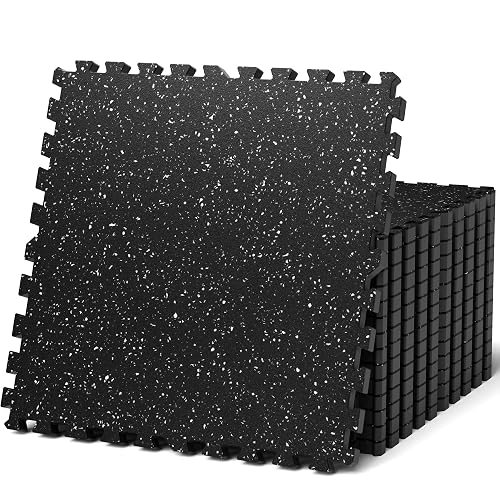
A stack machine moves heavy weight, so the floor needs to handle both the load and the vibration. Interlocking rubber tiles or rolled rubber mats are common choices because they absorb impact and keep the machine from shifting. Leave a little space around the mat so you can move freely between stations.
If you are still choosing a floor, Top 5 Interlocking Rubber Gym Floorings for Home Gyms in 2026 compares popular options for home setups.
Recommended gear
A few accessories make the machine easier to live with. These are general home gym items, not replacements for manufacturer parts.
- Rubber interlocking floor tiles: They protect the floor and reduce noise and movement under the frame. View on Amazon
- Wrench and hex key set: Useful for tightening frame bolts during setup and periodic checks. View on Amazon
- Wall mirror: Helps you check form on seated and standing movements in a small room. View on Amazon
Common mistakes
- Placing the machine too close to a wall, which blocks full arm movement on pulldowns.
- Skipping the first bolt check, which lets the frame loosen under repeated loading.
- Jumping to heavy weight before learning the cable path and seat settings.
- Setting the machine on bare concrete or thin carpet, which can cause shifting and wear.
- Ignoring a stack that sticks or pulls unevenly, which often signals a worn cable or pulley.
FAQ
Is a 150-pound stack enough for a full-body workout?
For many home users it is enough for upper-body and core exercises, and it works well for moderate lower-body training. Advanced lifters may want additional weight options for leg movements.
How much floor space does a marcy 150 pound home gym need?
Plan for the machine’s full footprint plus clearance of about 3 feet on the sides you use to enter and exit, and enough ceiling height for overhead pulls. Measure before ordering.
Should I have the machine assembled by a professional?
Many owners assemble it themselves with a helper, since the parts are large and heavy. If you are unsure about cable routing or tension, a qualified technician can check the setup, and you should consult a professional if anything seems wrong.
Conclusion
A marcy 150 pound home gym can cover a wide range of strength work when the space and setup are right. Measure your room, assemble carefully, and test each station at light weight before you add load. A quick inspection schedule will keep the machine running smoothly for years.
Related reading
- Marcy 150-Pound Stack Home Gym: Setup, Features and Buying Tips
- Marcy 150lb Stack Weight Home Gym Review: Is It Worth It?
- Marcy 150lb Stack Home Gym Review: Features and Performance
Ready to choose one?
About Graham Fisher
Graham Fisher is part of our editorial team and reviews and edits our budget home gym equipment guides, checking product details against manufacturer specifications and owner feedback.