 By Graham Fisher
Updated November 2026
Hammer clad gym flooring is a term many home lifters search for when they want a floor that can take dropped plates, heavy racks and daily wear without shifting underfoot. This guide compares seven interlocking tile and mat options, with the selection criteria explained first so you can match a product to your space. The picks are based on manufacturer specifications, brand reputation and patterns that owners commonly report, not on hands-on testing.
Our top picks at a glance
- 1
 TOP CHOICEBest overallPerformance Series Interlocking Floor Tiles – Durable ½ in TPE (RubberView on Amazon
- 2
 TOP CHOICEBest for thick cushioningAIRHOP 1'' Ultra-Thick 48 Sq Ft Rubber Top Gym Flooring for Home Gym,View on Amazon
- 3
 TOP CHOICEBest budget pick48 Sq Ft Exercise Equipment Mat, 24"x24" Rubber Floor Tiles, EVA WorkoView on Amazon
- 4
 Best for light lifting areasAIRHOP 0.56in Thick 48 Sq Ft Exercise Equipment Mats, 12 Tiles UpgradeView on Amazon
- 5
 Best floor tool companionC&T White Rubber Flooring Mallet with Non-Marring HeadView on Amazon
- 6
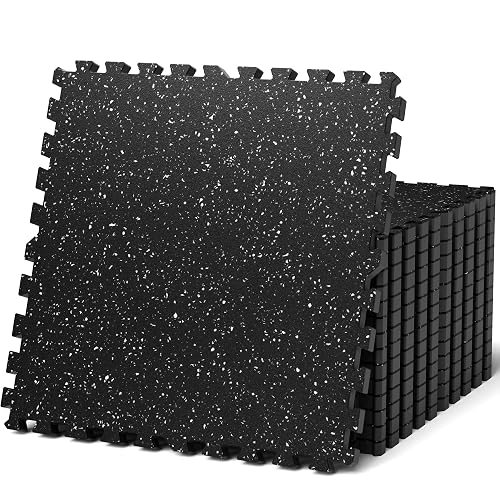 Best mid-thickness optionAIRHOP 0.79in Thick 48 Sq Ft Exercise Equipment Mats, 12 Tiles UpgradeView on Amazon
- 7
 Best for a bold look1'' Thick Gym Flooring 48 Sq Ft, 12 Ultra-Thick Rubber Top Tiles withView on Amazon
The main things we weighed were material density and thickness, interlocking edge quality, footprint per box, suitability for heavy equipment and how the floor holds up to dropped weights and foot traffic. Where a listing did not state a specification clearly, we left it out rather than guess.
Our Top Picks
Quick Comparison
| Product | Best for | Key feature |
|---|---|---|
| Performance Series Interlocking Floor Tiles | Heavy weights and equipment | ½ in TPE rubber-like material, made in USA |
| AIRHOP 1” Ultra-Thick Rubber Top Gym Flooring | Thick cushioning | 1 in thickness with rubber top layer |
| 48 Sq Ft Exercise Equipment Mat 24″x24″ | Budget-conscious setups | 12 tiles covering 48 sq ft |
| AIRHOP 0.56in Thick Exercise Equipment Mats | Light to moderate lifting | 0.56 in thickness, large interlocking tiles |
| C&T White Rubber Flooring Mallet | Installing and fitting tiles | Non-marring head with replaceable rubber face |
| AIRHOP 0.79in Thick Exercise Equipment Mats | Mid-range thickness needs | 0.79 in thickness with EVA foam core |
| 1” Thick Gym Flooring 48 Sq Ft Black & White | Two-tone layouts | 1 in thickness, black and white color option |
Performance Series Interlocking Floor Tiles – Durable ½ in TPE (Rubber Like, NOT Foam, no Odor)
Performance Series Interlocking Floor Tiles – Durable ½ in TPE (Rubber Like, NOT Foam, no Odor) – Gym Flooring for Weights & Heavy Equipment – Black, 30 SqFt (12 Pack) – Made in USA
Best for: Heavy weights and equipment on a solid base
This option suits lifters who drop weights regularly and want a rubber-like surface rather than a foam feel. The listing emphasizes a non-foam TPE construction and a made-in-USA claim, which buyers who care about material sourcing often look for.
Key specs
- Thickness: ½ in
- Material: TPE (rubber-like, not foam)
- Coverage: 30 sq ft (12-pack)
- Color: Black
- Origin: Made in USA
Pros
- Rubber-like material that owners often describe as firmer underfoot than foam
- Listing states low odor, a common concern with rubber flooring
- Made-in-USA claim appeals to buyers who prioritize domestic sourcing
Cons
- Coverage is 30 sq ft, so a full garage bay may need more boxes
- Half-inch thickness offers less cushioning than the one-inch options below
Bottom line: A strong choice for lifters who prioritize durability under heavy loads and a firm, rubber-like feel over maximum cushioning.
AIRHOP 1” Ultra-Thick 48 Sq Ft Rubber Top Gym Flooring for Home Gym, 12 Tiles High Density EVA Foam Exercise Mats
AIRHOP 1'' Ultra-Thick 48 Sq Ft Rubber Top Gym Flooring for Home Gym, 12 Tiles High Density EVA Foam Exercise Mats, Interlocking Puzzle Mats for Home Workout, Floor & Equipment Protection, Black/White
Best for: Thick cushioning for joint-friendly training
Users who do bodyweight work, floor exercises or lighter training on a hard slab often prefer a thicker tile. The one-inch profile and high-density EVA base are the selling points here.
Key specs
- Thickness: 1 in
- Coverage: 48 sq ft (12 tiles)
- Core: High-density EVA foam with rubber top
- Interlocking puzzle design
Pros
- One-inch thickness gives noticeable cushioning
- Covers 48 sq ft per box, reducing the number of boxes needed
- Interlocking edges keep tiles aligned during use
Cons
- Foam cores can compress under very heavy, concentrated loads
- Thick tiles can feel less stable under heavy barbell work
Bottom line: Best for lifters who want cushioning for bodyweight training and floor work more than a rigid base for heavy lifts.
48 Sq Ft Exercise Equipment Mat, 24″x24″ Rubber Floor Tiles, EVA Workout Mats for Home Gym, Treadmill Garage Flooring
48 Sq Ft Exercise Equipment Mat, 24"x24" Rubber Floor Tiles, EVA Workout Mats for Home Gym, Treadmill Garage Flooring, Black 0.56" Thick Rubber Top 12 Tiles Gym Flooring for Home Gym Interlocking Foam
Best for: Budget-conscious setups and treadmill or bike placement
This option fits those furnishing a first home gym or covering a treadmill area without a large outlay. The 24-by-24-inch tile format is easy to cut and rearrange.
Key specs
- Thickness: 0.56 in
- Tile size: 24 x 24 in
- Coverage: 48 sq ft (12 tiles)
- Material: Rubber top with EVA foam base
Pros
- Full 48 sq ft coverage in one box
- Square tiles are simple to lay out in a grid
- Suitable for treadmills and stationary bikes
Cons
- Thinner profile offers less impact absorption than one-inch tiles
- Not designed for heavy barbell drops
Bottom line: A practical starting point for light to moderate cardio and bodyweight workouts on a budget.
AIRHOP 0.56in Thick 48 Sq Ft Exercise Equipment Mats, 12 Tiles Upgraded Rubber Top with High Density EVA Foam
AIRHOP 0.56in Thick 48 Sq Ft Exercise Equipment Mats, 12 Tiles Upgraded Rubber Top with High Density EVA Foam, Large Interlocking Puzzle Gym Flooring for Home Gym, Heavy Weight Workout, 24 x 24in
Best for: Light to moderate lifting areas
Buyers who want a balance of protection and a lower profile for equipment that sits flat, such as benches and cable machines, may find this suitable.
Key specs
- Thickness: 0.56 in
- Coverage: 48 sq ft (12 tiles, 24 x 24 in)
- Material: Upgraded rubber top with high-density EVA foam
Pros
- Thickness keeps the floor level under low-profile equipment
- Interlocking tiles simplify installation
- Rubber top layer adds surface grip
Cons
- Less cushioning than one-inch alternatives
- Foam base may show compression marks under heavy racks over time
Bottom line: A sensible middle-ground choice for lifters who want protection without a noticeable height change.
C&T White Rubber Flooring Mallet with Non-Marring Head
Non-Marring Head, Wood Handle C&T White Rubber Flooring Mallet with 1 Replaceable Head
Best for: Installing and fitting tiles without damage
This is a tool rather than flooring, but it is useful for seating interlocking tiles and adjusting edges during installation. It suits anyone assembling a floor themselves.
Key specs
- Head: Non-marring white rubber, replaceable
- Handle: Wood
Pros
- Non-marring head reduces the risk of scuffing tile surfaces
- Replaceable head extends tool life
- Wood handle offers a comfortable grip
Cons
- Does not provide flooring coverage on its own
- Only useful during installation, not for everyday gym use
Bottom line: Worth adding if you are assembling interlocking tiles yourself and want to avoid marking the surface.
AIRHOP 0.79in Thick 48 Sq Ft Exercise Equipment Mats, 12 Tiles Upgraded Rubber Top with High Density EVA Foam
AIRHOP 0.79in Thick 48 Sq Ft Exercise Equipment Mats, 12 Tiles Upgraded Rubber Top with High Density EVA Foam, Large Interlocking Puzzle Gym Flooring for Home Gym, Heavy Weight Workout,Black & White
Best for: Mid-thickness needs between light and heavy use
Lifters who want more cushion than a half-inch tile but less height than a full inch often look at this profile.
Key specs
- Thickness: 0.79 in
- Coverage: 48 sq ft (12 tiles)
- Material: Rubber top with high-density EVA foam
Pros
- Thickness sits between the thinner and thicker AIRHOP options
- Large coverage per box
- Interlocking puzzle design
Cons
- Foam base is less rigid than rubber under very heavy loads
- Mid thickness may not satisfy those wanting either maximum cushion or maximum firmness
Bottom line: A balanced option for mixed-use home gyms that combine cardio, bodyweight and light free weights.
1” Thick Gym Flooring 48 Sq Ft, 12 Ultra-Thick Rubber Top Tiles with High-Density EVA Foam
1'' Thick Gym Flooring 48 Sq Ft, 12 Ultra-Thick Rubber Top Tiles with High-Density EVA Foam, Interlocking Puzzle Exercise Mats for Home Workout, Black & White
Best for: A bold two-tone look with one-inch cushioning
Buyers who want thick tiles in a black and white finish for visual contrast, such as marking zones in a garage gym, may consider this option.
Key specs
- Thickness: 1 in
- Coverage: 48 sq ft (12 tiles)
- Colors: Black and white
- Material: Rubber top with high-density EVA foam
Pros
- One-inch thickness for cushioning
- Two-tone finish helps define workout zones
- Interlocking tiles allow easy layout changes
Cons
- Thick foam tiles can be less stable under heavy, rolling equipment
- Color patterns may show wear faster in high-traffic lanes
Bottom line: Suits lifters who want cushioning plus a visually distinct layout, and who will not roll heavy equipment across the floor often.
Buying Guide
Thickness and cushioning
Thickness is the first decision. Half-inch and 0.56-inch tiles protect the floor beneath and keep equipment low. One-inch tiles absorb more impact from bodyweight work and dropped dumbbells but can feel less stable under heavy, rolling loads.
Good picks for this: Performance Series Interlocking Floor Tiles, AIRHOP 1” Ultra-Thick Rubber Top Gym Flooring
Material: rubber top versus EVA foam
Most interlocking mats combine a rubber surface layer with an EVA foam core. Rubber-like TPE offers firmness and durability, while foam cores provide cushion. Owners often report that foam compresses under concentrated loads, so check the base material before buying for heavy lifting.
Good picks for this: Performance Series Interlocking Floor Tiles, AIRHOP 0.79in Thick Exercise Equipment Mats
Coverage and tile count
Measure your floor and divide by the coverage per box. Many listings here cover 48 square feet with twelve 24-by-24-inch tiles, while the TPE option covers 30 square feet. Buy a few extra tiles for cuts and future repairs.
Good picks for this: 48 Sq Ft Exercise Equipment Mat, AIRHOP 0.56in Thick Exercise Equipment Mats
Tile size and fit
Twenty-four-inch square tiles are easy to lay in a grid and cut along walls. Check that the interlocking edges engage firmly on all four sides, since loose seams can shift under equipment.
Good picks for this: 48 Sq Ft Exercise Equipment Mat, AIRHOP 0.79in Thick Exercise Equipment Mats
Use case and equipment
Think about what will sit on the floor. Treadmills and bikes need a stable, level base. Heavy barbell work needs firmer, denser material. Bodyweight and floor training benefit from thicker cushioning.
Good picks for this: AIRHOP 1” Ultra-Thick Rubber Top Gym Flooring, Performance Series Interlocking Floor Tiles
Durability and maintenance
Rubber surfaces tend to resist abrasion better than foam-only surfaces. Sweep regularly, wipe up chalk and sweat, and avoid petroleum-based cleaners that can degrade rubber. Rotate tiles in high-traffic lanes to spread wear.
Good picks for this: Performance Series Interlocking Floor Tiles, C&T White Rubber Flooring Mallet
Installation tools
Interlocking tiles usually snap together, but edges can need gentle persuasion. A rubber mallet with a non-marring head helps seat tiles without scuffing. Lay tiles on a clean, level subfloor and check for gaps before loading equipment.
Good picks for this: C&T White Rubber Flooring Mallet, AIRHOP 0.56in Thick Exercise Equipment Mats
FAQ
Is hammer clad gym flooring the same as rubber flooring?
Not always. The term is used loosely in shopping, and products range from rubber-top foam tiles to solid rubber or TPE. Check the listing for the actual material and thickness rather than relying on the label alone.
How thick should gym flooring be for a home gym?
Half an inch to one inch covers most home setups. Thinner tiles keep equipment stable, while thicker tiles add cushioning for bodyweight work. For heavy barbell drops, a firmer, denser base is generally preferred.
Can I put interlocking gym tiles over carpet?
It is possible but not ideal, because carpet can compress unevenly and cause tiles to shift. A hard, level subfloor gives the most stable result. Our guide on putting gym flooring over carpet covers the steps in more detail: Gym Flooring on Top of Carpet: How to Do It Safely (Step-by-Step).
Does foam gym flooring hold up under heavy weights?
Foam can compress under concentrated loads, especially from heavy racks or dropped plates. Owners often report better durability from rubber-top or rubber-like TPE tiles in heavy-use areas. For a broader comparison of foam options, see Foam Flooring for Gym: 6 Best Picks for Home Gyms in 2026.
How do I clean interlocking gym tiles?
Sweep or vacuum regularly, then wipe with a mild, pH-neutral cleaner and water. Avoid harsh solvents or oil-based products, which can degrade rubber. Dedicated cleaners are also available, such as those covered in Rubber Gym Flooring Cleaner: 5 Best Picks for Home Gyms (2026).
Do I need a subfloor under gym tiles in a garage?
A clean, level concrete slab is usually sufficient for interlocking tiles. Check for cracks, moisture and high spots first. Garage-specific options are reviewed in Garage Flooring for Gym: 10 Best Picks for Home Gyms (2026).
How many tiles do I need for a standard home gym?
Measure the area where equipment and lifting will occur, then divide by the coverage per box. Add roughly ten percent for cuts and spares. Overall layout planning is covered in Home Gym Flooring Basics: Level, Protected and Stable.
Conclusion
For heavy weights and a firm, rubber-like surface, the Performance Series TPE tiles are a strong fit. Lifters who prioritize cushioning for bodyweight and floor work will look to the one-inch AIRHOP option. Budget-minded buyers covering a treadmill or light cardio area may prefer the 24-by-24-inch rubber tile mat, while the 0.56-inch and 0.79-inch AIRHOP mats suit mixed use. The C&T mallet is worth adding for installation. Match thickness and material to your heaviest equipment, and measure before you buy.
Sources
- Consumer product safety information on home fitness equipment and injury prevention (cpsc.gov)
- Workplace and facility guidance on slip, trip and fall hazards on floor surfaces (osha.gov)
- Standards for rubber and polymer flooring materials and test methods
About Graham Fisher
Graham Fisher is part of our editorial team and reviews and edits our budget home gym equipment guides, checking product details against manufacturer specifications and owner feedback.