 By Graham Fisher
Updated November 2026
Rubber flooring for garage gym setups protects concrete, dampens noise, and keeps dropped weights from cracking the slab underneath. Garage floors bring their own challenges: they are often cold, slightly uneven, and exposed to moisture and temperature swings. The picks below were chosen by comparing manufacturer specifications, brand reputation, and the patterns owners tend to mention in feedback, focusing on thickness, interlocking design, and surface type. No product here was tested in a lab or used by the author.
Our top picks at a glance
- 1
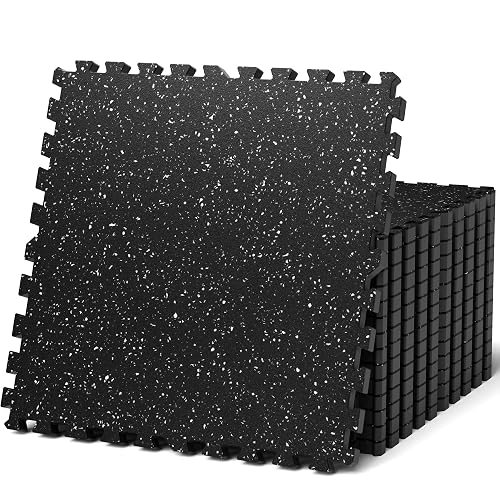 TOP CHOICEBest overallAIRHOP 0.79in Thick 48 Sq Ft Exercise Equipment Mats, 12 Tiles UpgradeView on Amazon
- 2
 TOP CHOICEBest for thick impact protectionAIRHOP 1'' Ultra-Thick 48 Sq Ft Rubber Top Gym Flooring for Home Gym,View on Amazon
- 3
 TOP CHOICEBest for heavy weight dropsPerformance Series Interlocking Floor Tiles – Durable ½ in TPE (RubberView on Amazon
- 4
 Best for treadmill and equipment48 Sq Ft Exercise Equipment Mat, 24"x24" Rubber Floor Tiles, EVA WorkoView on Amazon
- 5
 Best budget pickSUPERJARE 0.56'' Thick 48 Sq Ft Rubber Top Gym Flooring for Home GymView on Amazon
- 6
 Best for a thinner, lighter setupAIRHOP 0.56in Thick 48 Sq Ft Exercise Equipment Mats, 12 Tiles UpgradeView on Amazon
Our Top Picks
| Product | Best for | Key feature |
|---|---|---|
| AIRHOP 0.79in Thick 48 Sq Ft Exercise Equipment Mats | Balanced all-around garage use | 0.79-inch thickness with rubber top over EVA foam |
| AIRHOP 1” Ultra-Thick 48 Sq Ft Rubber Top Gym Flooring | Heavy drops and high-impact training | 1-inch thickness for maximum cushioning |
| Performance Series Interlocking Floor Tiles | Heavy weights on concrete | Rubber-like TPE surface, not foam |
| 48 Sq Ft Exercise Equipment Mat (24″x24″ tiles) | Treadmills and cardio equipment | Large 24-inch tiles with interlocking edges |
| SUPERJARE 0.56” Thick 48 Sq Ft Rubber Top Gym Flooring | Budget-conscious setups | Rubber top over EVA foam at 0.56 inches |
| AIRHOP 0.56in Thick 48 Sq Ft Exercise Equipment Mats | Lighter training and bodyweight work | 0.56-inch thickness with interlocking puzzle design |
AIRHOP 0.79in Thick 48 Sq Ft Exercise Equipment Mats, 12 Tiles Upgraded Rubber Top with High Density EVA Foam, Large Interlocking Puzzle Gym Flooring for Home Gym, Heavy Weight Workout,Black & White
AIRHOP 0.79in Thick 48 Sq Ft Exercise Equipment Mats, 12 Tiles Upgraded Rubber Top with High Density EVA Foam, Large Interlocking Puzzle Gym Flooring for Home Gym, Heavy Weight Workout,Black & White We also found Planning a Home Gym: Space, Flooring and First Buys useful on this point.
Best for: Balanced all-around garage use
This mat suits lifters who want a middle ground between thin foam and very thick flooring. It covers about 48 square feet with 12 tiles, which is enough for a standard two-car garage training zone.
Key specs
- Thickness: 0.79 inches
- Coverage: 48 square feet, 12 tiles
- Surface: upgraded rubber top over high-density EVA foam
- Design: interlocking puzzle tiles
Pros
- Thickness balances cushioning with barbell stability
- Interlocking edges keep seams tight
- Rubber top resists scuffing better than bare foam
Cons
- Foam core can compress under very heavy, concentrated loads
- Edges may need trimming for irregular garage layouts
Bottom line: A strong default for home lifters who want versatile protection for a mixed garage gym.
SUPERJARE 0.56” Thick 48 Sq Ft Rubber Top Gym Flooring for Home Gym
High Density Gym mat with Upgraded Rubber Top, 12 Pcs Interlocking EVA Foam Exercise Equipment mat, Workout Mat, Black/Grey SUPERJARE 0.56'' Thick 48 Sq Ft Rubber Top Gym Flooring for Home Gym
Best for: Best budget pick
This option fits buyers who need to cover a full garage bay without spending heavily. It works well for bodyweight training, light dumbbell work, and cardio machines on a flat floor.
Key specs
- Thickness: 0.56 inches
- Coverage: 48 square feet, 12 pieces
- Surface: rubber top over EVA foam
- Design: interlocking tiles
Pros
- Lower profile is easier to step onto and roll equipment across
- Good coverage per tile count
- Rubber top adds traction
Cons
- Thinner padding offers less protection from dropped heavy plates
- Foam base is less durable under sustained heavy loading
Bottom line: Best for lighter training and budget-minded garage setups where drop impact is limited.
AIRHOP 1” Ultra-Thick 48 Sq Ft Rubber Top Gym Flooring for Home Gym, 12 Tiles High Density EVA Foam Exercise Mats, Interlocking Puzzle Mats for Home Workout, Floor & Equipment Protection, Black/White
AIRHOP 1'' Ultra-Thick 48 Sq Ft Rubber Top Gym Flooring for Home Gym, 12 Tiles High Density EVA Foam Exercise Mats, Interlocking Puzzle Mats for Home Workout, Floor & Equipment Protection, Black/White
Best for: Best for thick impact protection
This is the choice for lifters who drop weights regularly or want extra padding under a squat rack. The extra thickness trades some stability for cushioning.
Key specs
- Thickness: 1 inch
- Coverage: 48 square feet, 12 tiles
- Surface: rubber top over high-density EVA foam
- Design: interlocking puzzle mats
Pros
- Maximum cushioning for dropped plates and kettlebells
- Helps protect the concrete slab from repeated impact
- Rubber top offers good grip
Cons
- Thickness can make wheeled equipment wobble
- Heavier to lift and reposition
Bottom line: Ideal for impact-heavy training where floor protection matters most.
Performance Series Interlocking Floor Tiles – Durable ½ in TPE (Rubber Like, NOT Foam, no Odor) – Gym Flooring for Weights & Heavy Equipment – Black, 30 SqFt (12 Pack) – Made in USA
Performance Series Interlocking Floor Tiles – Durable ½ in TPE (Rubber Like, NOT Foam, no Odor) – Gym Flooring for Weights & Heavy Equipment – Black, 30 SqFt (12 Pack) – Made in USA
Best for: Best for heavy weight drops
Lifters who load heavy barbells and want a dense, non-foam surface should consider this option. The TPE construction is designed for weight-bearing use rather than soft cushioning.
Key specs
- Thickness: ½ inch
- Coverage: 30 square feet, 12 tiles
- Material: TPE rubber-like composite, not foam
- Origin: listed as made in USA
Pros
- Non-foam surface resists compression under heavy equipment
- Listed as low-odor
- Dense material suits barbell and rack use
Cons
- Smaller total coverage per box than the 48-square-foot options
- Thinner profile gives less drop cushioning
Bottom line: A solid pick for strength lifters who prioritize a firm, durable surface over soft padding.
48 Sq Ft Exercise Equipment Mat, 24″x24″ Rubber Floor Tiles, EVA Workout Mats for Home Gym, Treadmill Garage Flooring, Black 0.56″ Thick Rubber Top 12 Tiles Gym Flooring for Home Gym Interlocking Foam
48 Sq Ft Exercise Equipment Mat, 24"x24" Rubber Floor Tiles, EVA Workout Mats for Home Gym, Treadmill Garage Flooring, Black 0.56" Thick Rubber Top 12 Tiles Gym Flooring for Home Gym Interlocking Foam
Best for: Best for treadmill and equipment
Owners placing a treadmill, bike, or elliptical in a garage will appreciate the large 24-inch tiles, which reduce the number of seams under machine feet.
Key specs
- Thickness: 0.56 inches
- Tile size: 24 inches by 24 inches
- Coverage: 48 square feet, 12 tiles
- Surface: rubber top over EVA foam
Pros
- Large tiles mean fewer seams
- Good footing for cardio machines
- Straightforward layout for rectangular rooms
Cons
- Not as thick as the 1-inch option for heavy drops
- Foam base can indent under concentrated machine feet
Bottom line: Best for cardio-focused garage gyms and treadmill owners who want a clean, large-tile floor.
AIRHOP 0.56in Thick 48 Sq Ft Exercise Equipment Mats, 12 Tiles Upgraded Rubber Top with High Density EVA Foam, Large Interlocking Puzzle Gym Flooring for Home Gym, Heavy Weight Workout, 24 x 24in
AIRHOP 0.56in Thick 48 Sq Ft Exercise Equipment Mats, 12 Tiles Upgraded Rubber Top with High Density EVA Foam, Large Interlocking Puzzle Gym Flooring for Home Gym, Heavy Weight Workout, 24 x 24in
Best for: Best for a thinner, lighter setup
This is a practical choice for people who mainly do bodyweight workouts, mobility work, or light dumbbell sessions and want easy portability.
Key specs
- Thickness: 0.56 inches
- Tile size: 24 inches by 24 inches
- Coverage: 48 square feet, 12 tiles
- Surface: rubber top over high-density EVA foam
Pros
- Lightweight and easy to reposition
- Interlocking tiles install without adhesive
- Good coverage for the price tier
Cons
- Limited cushioning for heavy drops
- Thin foam can feel firm underfoot over long sessions
Bottom line: Suited to lighter training and garages used mainly for conditioning rather than heavy lifting.
Buying Guide
Thickness and Impact Protection
Thickness is the main factor in how well flooring absorbs dropped weights. Thin tiles around half an inch work for light training, while 0.79 to 1 inch gives noticeably more cushioning for kettlebells, deadlifts, and occasional drops. Keep in mind that thicker mats can be less stable under wheeled equipment.
Good picks for this: AIRHOP 1” Ultra-Thick 48 Sq Ft Rubber Top Gym Flooring, AIRHOP 0.79in Thick 48 Sq Ft Exercise Equipment Mats
Material: Rubber Top, EVA Foam, or TPE
Most interlocking mats use a rubber wear layer over EVA foam. This combination gives grip and cushioning but can compress under concentrated loads. Solid TPE rubber-like tiles are denser and resist indentation better, though they are usually thinner.
Good picks for this: Performance Series Interlocking Floor Tiles, AIRHOP 0.79in Thick 48 Sq Ft Exercise Equipment Mats
Tile Size and Interlocking Design
Larger tiles, such as 24 by 24 inches, mean fewer seams and a cleaner look. Interlocking edges help keep gaps closed during workouts. Measure your garage first, then plan for a few extra tiles to cover cuts along walls.
Good picks for this: 48 Sq Ft Exercise Equipment Mat (24″x24″ tiles), AIRHOP 0.56in Thick 48 Sq Ft Exercise Equipment Mats
Coverage and Room Size
A 48-square-foot kit covers an area roughly 6 by 8 feet, which fits a squat rack and small bench. Lifters who need a full training bay should plan for more coverage, and should measure carefully before ordering to avoid gaps.
Good picks for this: SUPERJARE 0.56” Thick 48 Sq Ft Rubber Top Gym Flooring, AIRHOP 1” Ultra-Thick 48 Sq Ft Rubber Top Gym Flooring
Use Case: Weights, Cardio, or Mixed Training
Heavy barbell work calls for denser, more durable surfaces. Cardio equipment needs stable footing and fewer seams under machine feet. Mixed training usually suits a mid-thickness rubber-top mat.
Good picks for this: 48 Sq Ft Exercise Equipment Mat (24″x24″ tiles), Performance Series Interlocking Floor Tiles
Durability and Garage Conditions
Garages see temperature changes, humidity, and occasional oil or chemical drips. Owners often report that rubber-top surfaces hold up better to these conditions than bare foam. Check whether the manufacturer specifies a cleaning method or chemical limits before use.
Good picks for this: Performance Series Interlocking Floor Tiles, AIRHOP 0.79in Thick 48 Sq Ft Exercise Equipment Mats
Care and Maintenance
Sweep regularly to keep grit from grinding into the surface. Use a pH-neutral cleaner and avoid harsh solvents, since some foam and rubber blends can degrade. Interlocking tiles can be lifted and cleaned underneath, which helps prevent moisture from sitting on the slab.
Good picks for this: AIRHOP 0.56in Thick 48 Sq Ft Exercise Equipment Mats, SUPERJARE 0.56” Thick 48 Sq Ft Rubber Top Gym Flooring
FAQ
What thickness of rubber flooring is best for a garage gym?
For mixed training with occasional drops, 0.79 to 1 inch offers good cushioning. For light training, 0.5 to 0.6 inches is usually enough. Heavy Olympic lifters often prefer thicker, denser surfaces.
Can I put rubber flooring directly on a concrete garage floor?
Yes, interlocking tiles and rolls are commonly placed directly on sealed or bare concrete. Check for moisture first, since trapped damp can cause mildew under the mat.
Does rubber flooring stop concrete from cracking under weights?
Thicker flooring reduces the force transmitted to the slab, which lowers the risk of damage from dropped plates. It does not guarantee protection from extreme impacts. Consult a structural professional if you have concerns about your slab.
Is EVA foam or solid rubber better for heavy lifting?
Solid rubber and dense TPE resist compression better under heavy loads. EVA foam with a rubber top offers more cushioning but can indent over time under concentrated weight.
How do I clean rubber gym flooring in a garage?
Sweep or vacuum regularly, then mop with a mild, pH-neutral cleaner. Let the floor dry fully before moving equipment back. Avoid solvents unless the manufacturer approves them.
Do I need to level my garage floor before installing gym mats?
Minor unevenness is usually fine, but large dips or cracks can cause tiles to rock. Filling significant low spots first will improve stability and comfort.
Conclusion
For most garage gyms, a mid-thickness rubber-top interlocking mat offers the best balance of cushioning and stability. Lifters who drop weights often should look at the 1-inch option, while those prioritizing a firm surface for barbell work may prefer the TPE tiles. Cardio users will benefit from large 24-inch tiles, and budget-minded buyers can start with a thinner rubber-top mat. Measure your space, decide how you will train, and match the thickness to your heaviest lifts.
For more background, see Garage Flooring for Gym: 10 Best Picks for Home Gyms (2026), Home Gym Flooring Basics: Level, Protected and Stable, Rubber Flooring Rolls for Home Gym: How to Choose and Install (Step-by-Step), and Rubber Gym Flooring Cleaner: 5 Best Picks for Home Gyms (2026).
Sources
- Consumer safety guidance on product hazards, useful when assessing trip and fall risks around exercise equipment (cpsc.gov)
- Workplace floor safety and slip-resistance principles that also apply to home workout spaces (osha.gov)
- Exercise science guidance from the American College of Sports Medicine on safe training environments (acsm.org)
Related reading
- Top 7 Rubber Gym Flooring Roll Options for Home Gyms in 2026
- Top 5 Interlocking Rubber Gym Floorings for Home Gyms in 2026
About Graham Fisher
Graham Fisher is part of our editorial team and reviews and edits our budget home gym equipment guides, checking product details against manufacturer specifications and owner feedback.