 By Graham Fisher
Updated November 2026
Shopping for plae forge gym flooring usually comes down to one question: which material will hold up under heavy weights, stay quiet for the people below you, and still feel reasonable to set up in a garage or spare room? This guide narrows the field to five interlocking options that home lifters commonly compare. The selection criteria were thickness and impact absorption, load tolerance, ease of installation, odor and off-gassing concerns, and how well each product suits a weight-training setup versus lighter cardio work.
Our top picks at a glance
- 1
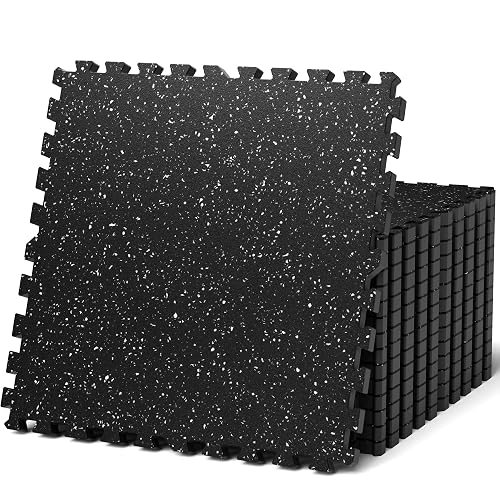 TOP CHOICEBest overallAIRHOP 0.79in Thick 48 Sq Ft Exercise Equipment MatsView on Amazon
- 2
 TOP CHOICEBest for heavy liftingPerformance Series Interlocking Floor Tiles ½ in TPEView on Amazon
- 3
 TOP CHOICEBest for cushioned cardio1'' Thick Gym Flooring 48 Sq Ft Interlocking Puzzle MatsView on Amazon
- 4
 Best budget pickAIRHOP 0.56in Thick 48 Sq Ft Exercise Equipment MatsView on Amazon
- 5
 Best for a rubber-only feelInterlocking Rubber Floor Tiles Heavy Duty 4-PackView on Amazon
Note on research method: this list was built from manufacturer specifications, brand reputation and recurring owner feedback patterns. We did not test these products ourselves, so verify dimensions and material details on the listing before you buy.
Our Top Picks
| Product | Best for | Key feature |
|---|---|---|
| AIRHOP 0.79in Thick 48 Sq Ft Exercise Equipment Mats | Mixed weights and cardio | 0.79in thickness with rubber top and EVA foam core |
| Performance Series Interlocking Floor Tiles ½ in TPE | Heavy weights and equipment | Rubber-like TPE material, marketed as odor-free |
| 1” Thick Gym Flooring 48 Sq Ft Interlocking Puzzle Mats | Cardio and jumping | 1in ultra-thick profile for extra cushioning |
| AIRHOP 0.56in Thick 48 Sq Ft Exercise Equipment Mats | Budget-conscious setups | Thinner profile at a lower entry point |
| Interlocking Rubber Floor Tiles Heavy Duty 4-Pack | Garage and outdoor-adjacent use | 100% rubber construction, indoor/outdoor rated |
AIRHOP 0.79in Thick 48 Sq Ft Exercise Equipment Mats
AIRHOP 0.79in Thick 48 Sq Ft Exercise Equipment Mats, 12 Tiles Upgraded Rubber Top with High Density EVA Foam, Large Interlocking Puzzle Gym Flooring for Home Gym, Heavy Weight Workout,Black & White
Best for: Mixed weight training and cardio in a home gym where you want one floor to cover most tasks.
This is a good fit for lifters who drop dumbbells, do squats and deadlifts, and also run light cardio. The thicker profile gives more cushioning than thinner tiles, and the 12-tile configuration covers roughly 48 square feet.
Key specs
- Thickness: 0.79 inches
- Coverage: 48 square feet across 12 tiles
- Construction: rubber top layer over high-density EVA foam
- Interlocking puzzle edges
Pros
- Substantial thickness for impact absorption
- Interlocking design allows fast installation without adhesive
- Rubber top adds grip under foot
Cons
- Foam core may compress under very concentrated loads over time
- Owners sometimes report a noticeable initial material smell
Bottom line: A strong all-around choice for someone who wants one floor for lifting and cardio without moving to a heavier rubber build.
Performance Series Interlocking Floor Tiles ½ in TPE
Performance Series Interlocking Floor Tiles – Durable ½ in TPE (Rubber Like, NOT Foam, no Odor) – Gym Flooring for Weights & Heavy Equipment – Black, 15 SqFt (6 Pack) – Made in USA
Best for: Heavy weights and barbell or machine setups where load tolerance matters most.
Lifters with racks, plates and heavier equipment often want a firmer, denser surface that resists compression. The TPE construction is positioned as a rubber-like alternative to foam, which many buyers prefer for weight rooms.
Key specs
- Thickness: ½ inch
- Material: TPE, rubber-like rather than foam
- Coverage: 15 square feet (6-pack)
- Listed as made in the USA
Pros
- Firm surface that holds up under heavy equipment
- Foam-free construction appeals to buyers avoiding EVA
- Made in USA listing may matter to some buyers
Cons
- Thinner profile offers less cushioning for jumping
- Smaller coverage per pack means more packs for larger rooms
Bottom line: Best for lifters who prioritize a dense, stable base for heavy weights over softness underfoot.
1” Thick Gym Flooring 48 Sq Ft Interlocking Puzzle Mats
1'' Thick Gym Flooring 48 Sq Ft, 12 Ultra-Thick Rubber Top Tiles with High-Density EVA Foam, Interlocking Puzzle Exercise Mats for Home Workout, Black & White
Best for: Cardio, bodyweight workouts and jumping where extra cushioning protects joints.
The 1-inch profile is the thickest option on this list and suits people doing burpees, plyometrics or floor exercises. It also works well over concrete where a softer feel is welcome.
Key specs
- Thickness: 1 inch
- Coverage: 48 square feet across 12 tiles
- Rubber top with high-density EVA foam base
- Interlocking puzzle design
Pros
- Maximum cushioning among the options here
- Good for jumping and floor-based training
- Easy to rearrange or remove
Cons
- Softer surface can be less stable under heavy barbell work
- Thick tiles may create a small trip edge if not aligned flush
Bottom line: Pick this if your training leans toward cardio and bodyweight movement and you want the most give underfoot.
AIRHOP 0.56in Thick 48 Sq Ft Exercise Equipment Mats
AIRHOP 0.56in Thick 48 Sq Ft Exercise Equipment Mats, 12 Tiles Upgraded Rubber Top with High Density EVA Foam, Large Interlocking Puzzle Gym Flooring for Home Gym, Heavy Weight Workout, 24 x 24in
Best for: Budget-minded home gyms that still want interlocking coverage for a full room.
This is the thinner sibling of the 0.79in AIRHOP mat. It covers the same 48 square feet footprint and suits lighter dumbbell work, yoga and general exercise where extreme thickness is not required.
Key specs
- Thickness: 0.56 inches
- Coverage: 48 square feet across 12 tiles
- Rubber top with EVA foam base
- Tile size: 24 x 24 inches
Pros
- Lower-profile build is easier to step onto and off
- Same coverage as thicker AIRHOP model
- Interlocking tiles install without tools
Cons
- Less cushioning than the 0.79in and 1in options
- Not ideal for heavy barbell drops
Bottom line: A sensible pick if you want the AIRHOP format at a lower-thickness, lower-commitment level.
Interlocking Rubber Floor Tiles Heavy Duty 4-Pack
Interlocking Rubber Floor Tiles – Heavy Duty 100% Rubber Gym Flooring for Home Gym, Garage, Workout Room, Equipment Mats, Indoor/Outdoor Mats, Gray Fleck 4-Pack (4, Gray Fleck, 22.5" x 22.5")
Best for: Garage gyms and spaces that may see outdoor-adjacent conditions, where a solid rubber surface is preferred over foam.
Buyers who want an all-rubber surface and plan to use the floor in a garage, patio enclosure or workshop often look at this style. Its 22.5-inch tiles cover a smaller footprint per pack, so room size matters.
Key specs
- Material: 100% rubber
- Tile size: 22.5 x 22.5 inches
- Pack size: 4 tiles
- Listed for indoor and outdoor use
Pros
- All-rubber construction without foam core
- Suitable for garage and workshop environments
- Dense feel for equipment and weights
Cons
- Small 4-tile pack covers limited area and needs many packs for a full room
- Rubber can be heavier to handle during installation
Bottom line: Best for garage gym owners who want a true rubber surface and are willing to buy enough packs to cover their floor.
Buying Guide
Thickness and impact absorption
Thickness is the first decision most buyers make. Tiles in the 0.5 to 0.8 inch range usually balance stability and cushioning for mixed training. Going to 1 inch adds softness, which helps with jumping and dropped-knee work, but can feel less stable under heavy barbell lifts. Measure your ceiling clearance and any door thresholds before committing to a thick profile.
Good picks for this: AIRHOP 0.79in Thick 48 Sq Ft Exercise Equipment Mats, 1” Thick Gym Flooring 48 Sq Ft Interlocking Puzzle Mats
Material: rubber, TPE, or EVA foam
EVA foam cores are light and cushioned but can compress under concentrated loads. Rubber and TPE tend to be denser and more stable under heavy equipment. Many lifters choose a rubber top layer over a foam core as a compromise. Check the listing for the material breakdown rather than relying on general terms like “rubber.”
Good picks for this: Performance Series Interlocking Floor Tiles ½ in TPE, Interlocking Rubber Floor Tiles Heavy Duty 4-Pack
Load tolerance and weight rating
Ask what kind of loads the floor will see. Dumbbells and kettlebells are gentler than dropped barbells or heavy machines. Manufacturers rarely publish a single universal weight rating for interlocking mats, so look for specific load statements in the listing and consider a denser, firmer material if you plan to rack heavy plates.
Good picks for this: Performance Series Interlocking Floor Tiles ½ in TPE, Interlocking Rubber Floor Tiles Heavy Duty 4-Pack
Size, coverage and room fit
Measure your space in square feet and compare it to the pack coverage. A 48 square foot pack of 12 tiles covers an area roughly 8 by 6 feet. Smaller packs like 4-tile sets need more units for the same room. Account for equipment footprint too: a power rack and bench need clearance on all sides.
Good picks for this: AIRHOP 0.56in Thick 48 Sq Ft Exercise Equipment Mats, Interlocking Rubber Floor Tiles Heavy Duty 4-Pack
Odor and indoor air quality
New rubber and foam products can carry a noticeable smell, especially in closed rooms. Some buyers prefer foam-free or low-odor materials. If you have respiratory sensitivities or live with children or pets, ventilate the room during and after installation and let the material air out before heavy use. For specific health concerns, consult a qualified medical professional.
Good picks for this: Performance Series Interlocking Floor Tiles ½ in TPE, AIRHOP 0.79in Thick 48 Sq Ft Exercise Equipment Mats
Installation and reconfiguration
Interlocking tiles install by pressing edges together, usually without adhesive. Start in one corner and work outward, checking that seams sit flush. Dry-fit before final placement. If you plan to move the gym later, choose a product whose tiles separate cleanly and do not leave residue on the subfloor.
Good picks for this: 1” Thick Gym Flooring 48 Sq Ft Interlocking Puzzle Mats, AIRHOP 0.56in Thick 48 Sq Ft Exercise Equipment Mats
Durability and care
Rubber tops resist abrasion better than thin vinyl, but everything wears under dragged weights and sharp edges. Sweep grit off the surface regularly, wipe spills promptly and avoid solvent-based cleaners unless the manufacturer approves them. Rotating tiles that see the most traffic can extend their life.
Good picks for this: Interlocking Rubber Floor Tiles Heavy Duty 4-Pack, Performance Series Interlocking Floor Tiles ½ in TPE
FAQ
What is plae forge gym flooring?
Plae forge gym flooring is a search term many home lifters use when shopping for interlocking gym mats and tiles. This article compares five interlocking options that people often consider when setting up a home gym floor.
Is interlocking gym flooring good for heavy lifting?
It can be, but density matters. Denser rubber or TPE tiles generally handle heavy equipment better than softer EVA foam. Check the material and thickness, and consider a firmer surface if you lift heavy barbells regularly.
How thick should gym flooring be?
Many home gyms use between 0.5 and 1 inch. Thinner tiles offer more stability under weights, while thicker tiles provide more cushioning for jumping and floor work. Your training style should guide the choice.
Do rubber gym tiles have an odor?
Some do, especially when new. Owners often report that smell fades with ventilation over several days. Foam-free or TPE options are sometimes chosen by buyers who are sensitive to odors. If you have health concerns, consult a qualified professional.
Can I install gym flooring over concrete?
Yes, interlocking tiles are commonly placed over concrete garage floors. Check for moisture or cracks first, and consider a vapor barrier if your slab is damp. Leave a small gap at walls to allow for expansion.
How do I clean interlocking gym mats?
Sweep or vacuum regularly and wipe spills with mild soap and water. Avoid harsh solvents unless the manufacturer specifies them as safe. Let tiles dry fully before reassembling if you have lifted them.
Conclusion
For most mixed-use home gyms, the AIRHOP 0.79in model offers a balanced middle ground between cushioning and stability. Lifters who prioritize dense, foam-free surfaces for heavy weights may prefer the TPE tiles. Those focused on jumping and bodyweight work can look at the 1-inch option, while budget-focused buyers may consider the thinner AIRHOP model. Garage owners who want a full rubber surface should weigh the 4-tile rubber pack against the room size. Measure your space, decide on your primary training style and match the thickness and material to it.
Sources
- Consumer product safety information, including guidance on home fitness equipment and flooring hazards (cpsc.gov)
- Indoor air quality resources covering ventilation and emissions from building and household materials (epa.gov)
- Exercise science guidance from the American College of Sports Medicine on training environments and safety (acsm.org)
Before you buy: helpful guides
- Rubber Flooring Rolls for Home Gym: How to Choose and Install (Step-by-Step)
- Gym Flooring on Top of Carpet: How to Do It Safely (Step-by-Step)
- 8mm Rubber Gym Flooring: How to Choose, Measure and Install It
- 1/4 Inch Gym Flooring: How to Choose, Lay and Protect Your Floor (Step-by-Step)
- Gym Flooring 3/4 Inch: How Thick Is Enough for Your Home Gym?
About Graham Fisher
Graham Fisher is part of our editorial team and reviews and edits our budget home gym equipment guides, checking product details against manufacturer specifications and owner feedback.


