 By Graham Fisher
Updated November 2026
Shopping for custom gym flooring with logo printing means balancing three things: how well the floor protects your subfloor and equipment, how comfortable it feels under bare feet and heavy lifts, and whether the logo or design can actually be reproduced at a reasonable quality. This list focuses on products that combine a sturdy interlocking or rubber base with a surface that can be personalized, or that are sold in formats easy to pair with custom printed mats. Selection criteria were thickness and density for impact absorption, footprint and tile size for layout flexibility, surface material for durability, and how clearly manufacturers describe customization. Everything below is based on published specifications, brand reputation, and patterns owners commonly report. No product here was tested by the author.
Our top picks at a glance
- 1
 TOP CHOICEBest overallAIRHOP 1-inch Ultra-Thick Rubber Top Gym FlooringView on Amazon
- 2
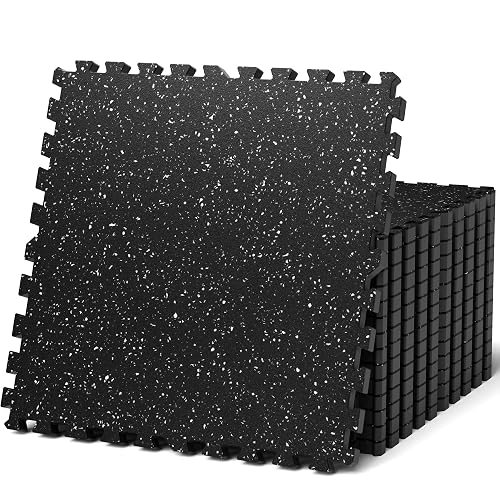 TOP CHOICEBest for heavy liftingAIRHOP 0.79in Thick Exercise Equipment MatsView on Amazon
- 3
 TOP CHOICEBest for weights and heavy equipmentPerformance Series Interlocking Floor TilesView on Amazon
- 4
 Best for garage gymsHeavy Duty Gym Mat Flooring, Rubber SurfaceView on Amazon
- 5
 Best budget pickAIRHOP 0.56in Thick Exercise Equipment MatsView on Amazon
- 6
 Best for logo and entryway brandingCustom Any Text Size Color Rubber Indoor Outdoor Entryway MatView on Amazon
Best overall: AIRHOP 1-inch Ultra-Thick Rubber Top Gym Flooring – View on Amazon
Our Top Picks
| Product | Best for | Key feature |
|---|---|---|
| Custom Any Text Size Color Rubber Indoor Outdoor Entryway Mat | Logo and branded entryways | Customizable text, size and color on a rubber mat |
| AIRHOP 1-inch Ultra-Thick Rubber Top Gym Flooring | Overall home gym coverage | 1-inch thickness with rubber top over EVA foam |
| AIRHOP 0.79in Thick Exercise Equipment Mats | Heavy weight workouts | High-density EVA foam core with rubber top |
| Performance Series Interlocking Floor Tiles | Weights and heavy equipment | ½-inch TPE surface, made in USA |
| Heavy Duty Gym Mat Flooring, Rubber Surface | Garage gyms | 24 x 24 inch tiles in 0.6 or 0.8 inch thickness |
| AIRHOP 0.56in Thick Exercise Equipment Mats | Budget-conscious layouts | Interlocking 24 x 24 inch tiles with rubber top |
Custom Any Text Size Color Rubber Indoor Outdoor Entryway Mat
Custom Any Text Size Color Rubber Indoor Outdoor Entryway Mat, covered outdoor home & commercial entryways Custom Logo Welcome Floor Mat Doormat Non-Slip Commercial Front Door Mat | Custom Any Text Si
Best for: Logo and branded entryways
This product suits owners who want a logo or custom message on a floor covering rather than a full interlocking gym floor. It is best used at a garage entrance, home gym door, or commercial-style foyer where branding matters more than full-floor impact protection.
Key specs
- Rubber construction for indoor and outdoor use
- Customizable text and size
- Non-slip backing per the listing
Pros
- Logo and text customization is the core selling point
- Rubber surface resists dirt and moisture
- Works well as a transition mat between rooms
Cons
- Not designed to absorb the impact of dropped weights
- Covers only a small area compared with full gym flooring
Bottom line: Choose this if your priority is a branded mat at the door, not protection for the whole training zone.
AIRHOP 1-inch Ultra-Thick Rubber Top Gym Flooring
AIRHOP 1'' Ultra-Thick 48 Sq Ft Rubber Top Gym Flooring for Home Gym, 12 Tiles High Density EVA Foam Exercise Mats, Interlocking Puzzle Mats for Home Workout, Floor & Equipment Protection, Black/White
Best for: Overall home gym coverage
Owners building a full training area who want thick cushioning under heavy lifts and cardio equipment. The 1-inch profile and 48 square foot coverage make it a practical base for a large home gym room.
Key specs
- 1-inch thickness per the listing name
- 48 square feet across 12 tiles
- Rubber top over high-density EVA foam
- Interlocking puzzle design
Pros
- Thick profile absorbs impact well for its class
- Large coverage reduces the number of seams
- Interlocking tiles are simple to install and rearrange
Cons
- Thickness can make it less stable under very heavy freestanding racks unless a platform is added
- Custom logo printing is not part of the standard product
Bottom line: A strong fit for a dedicated home gym that needs broad impact coverage, with a separate method for adding a logo if desired.
AIRHOP 0.79in Thick Exercise Equipment Mats
AIRHOP 0.79in Thick 48 Sq Ft Exercise Equipment Mats, 12 Tiles Upgraded Rubber Top with High Density EVA Foam, Large Interlocking Puzzle Gym Flooring for Home Gym, Heavy Weight Workout,Black & White
Best for: Heavy weight workouts
Lifters who drop weights or roll heavy equipment across the floor will find this option suited to their needs. The mid-range thickness balances cushioning with stability under loaded barbells.
Key specs
- 0.79-inch thickness per the listing name
- 48 square feet across 12 tiles
- Rubber top with high-density EVA foam core
Pros
- Mid-range thickness gives a stable surface for heavy lifts
- Large tile coverage with interlocking edges
- Rubber top resists scuffing from weight plates
Cons
- Custom printing requires a separate supplier
- Thinner than the 1-inch option for maximum drop protection
Bottom line: Good for lifters who want a firm, stable surface and plan to train with heavy plates.
Performance Series Interlocking Floor Tiles
Performance Series Interlocking Floor Tiles – Durable ½ in TPE (Rubber Like, NOT Foam, no Odor) – Gym Flooring for Weights & Heavy Equipment – Black, 30 SqFt (12 Pack) – Made in USA
Best for: Weights and heavy equipment
This option uses a TPE rubber-like surface instead of foam, which some buyers prefer for heavy equipment. It suits owners who want a dense, durable tile for racks and free weights in a dedicated space.
Key specs
- ½-inch thickness per the listing name
- TPE rubber-like material, not foam
- 30 square feet across 12 tiles
- Made in USA per the listing
Pros
- TPE surface is described as low odor
- Designed specifically for weights and heavy equipment
- Made-in-USA label suits buyers prioritizing domestic manufacturing
Cons
- Thinner profile offers less drop cushioning than thicker options
- Smaller coverage per pack means more packs for larger rooms
Bottom line: A practical pick for weight rooms where equipment stability matters more than thick cushioning.
Heavy Duty Gym Mat Flooring, Rubber Surface
Heavy Duty Gym Mat Flooring, Rubber Surface & High Density EVA Foam, Gym Flooring for Home Gym, Workout Mat, Garage Floor Mat 0.6"/0.8" Thick Interlocking Rubber Top Gym Floor Tiles, 24" x 24"
Best for: Garage gyms
Garage owners dealing with concrete subfloors, temperature swings, and heavier equipment will find the heavy-duty construction useful. The 24-inch tile format keeps layout simple across uneven spaces.
Key specs
- 24 x 24 inch tiles per the listing name
- 0.6-inch or 0.8-inch thickness options
- Rubber surface over high-density EVA foam
- Interlocking design
Pros
- Thickness options let buyers match cushioning to their equipment
- 24-inch tiles make cutting around posts and walls easier
- Rubber surface handles garage-style wear
Cons
- Custom logo printing is not included
- Owners report that edges can lift if not installed on a flat surface
Bottom line: A solid choice for garage gyms that need durability and flexible thickness.
AIRHOP 0.56in Thick Exercise Equipment Mats
AIRHOP 0.56in Thick 48 Sq Ft Exercise Equipment Mats, 12 Tiles Upgraded Rubber Top with High Density EVA Foam, Large Interlocking Puzzle Gym Flooring for Home Gym, Heavy Weight Workout, 24 x 24in
Best for: Budget-conscious layouts
This is the thinnest option in the group, aimed at owners who want interlocking coverage for lighter training, cardio, or bodyweight work without the bulk of thicker tiles.
Key specs
- 0.56-inch thickness per the listing name
- 48 square feet across 12 tiles
- 24 x 24 inch interlocking tiles
- Rubber top over EVA foam
Pros
- Lower profile suits low ceilings and small rooms
- Same tile format as the thicker AIRHOP options
- Easy to rearrange as a layout changes
Cons
- Less impact absorption than thicker mats for heavy drops
- No logo customization offered as part of the listing
Bottom line: Best for lighter home workouts where a thinner, lower-profile floor is enough.
Buying Guide
Logo and Custom Print Options
Not every gym flooring product supports printing. Mats designed for entryways or accent zones are often the easiest to customize, while interlocking gym tiles are usually sold in plain colors. If your logo must cover the training floor, ask suppliers whether they offer digital printing on rubber or whether a custom tile run is possible. Request a proof and check how the design scales across tile seams before ordering.
Good picks for this: Custom Any Text Size Color Rubber Indoor Outdoor Entryway Mat, Heavy Duty Gym Mat Flooring
Thickness and Impact Absorption
Thickness determines how much a dropped plate or dumbbell is cushioned. Thinner tiles around 0.5 inch suit light training, while 0.75 to 1 inch is commonly chosen for heavier lifting. Manufacturers generally state thickness in the listing, so compare that figure directly rather than relying on marketing terms.
Good picks for this: AIRHOP 1-inch Ultra-Thick Rubber Top Gym Flooring, AIRHOP 0.56in Thick Exercise Equipment Mats
Surface Material: Rubber, EVA Foam and TPE
Rubber tops resist scuffing and moisture. EVA foam cores provide cushioning, while TPE is a rubber-like material that some owners prefer for its low odor. Check whether the surface is described as rubber over foam or as a solid material, since this affects durability and feel underfoot.
Good picks for this: Performance Series Interlocking Floor Tiles, AIRHOP 0.79in Thick Exercise Equipment Mats
Tile Size and Layout Coverage
Twenty-four-inch tiles are the most common format and make it easier to cover a room in a grid. Calculate square footage by measuring length and width, then divide by tile area to determine how many pieces you need. Leave a margin for cutting around door frames and columns.
Good picks for this: Heavy Duty Gym Mat Flooring, AIRHOP 0.56in Thick Exercise Equipment Mats
Subfloor and Environment
Concrete garage floors, basements, and wood subfloors each behave differently. Moisture and temperature changes can affect interlocking tiles over time, so consider a moisture barrier on concrete and check that the floor is level before installing. If you have concerns about moisture or structural load, consult a flooring or building professional.
Good picks for this: Heavy Duty Gym Mat Flooring, Performance Series Interlocking Floor Tiles
Durability and Maintenance
Rubber surfaces handle sweat and dust well and usually need only sweeping and occasional damp cleaning with mild soap. Avoid harsh solvents that can degrade rubber or foam. Check whether the manufacturer recommends specific cleaners, and rotate heavy-use tiles if your layout allows.
Good picks for this: AIRHOP 0.79in Thick Exercise Equipment Mats, Custom Any Text Size Color Rubber Indoor Outdoor Entryway Mat
Intended Use and Equipment Weight
Match the floor to your heaviest equipment. Light dumbbell work and yoga need less cushioning than deadlifts or Olympic lifting. If you plan to use a power rack, consider whether the floor needs to support a platform underneath it.
Good picks for this: AIRHOP 1-inch Ultra-Thick Rubber Top Gym Flooring, Performance Series Interlocking Floor Tiles
FAQ
Can I put my logo on interlocking gym tiles?
Some suppliers offer custom printed or custom-colored tiles, but many standard interlocking products are sold in plain colors. Ask the manufacturer or a specialty supplier about printing options, minimum orders, and proof approval before committing.
How thick should gym flooring be for a home gym?
Thickness depends on your equipment. Lighter training works with thinner tiles, while heavy lifting usually benefits from thicker options. Compare the thickness stated in each listing and match it to how often you drop weights.
Is rubber or foam better for a garage gym?
Rubber tops resist wear and moisture, while foam cores provide cushioning. Many garage gym owners choose rubber-topped tiles with a foam core. Check the specific construction of each product.
Do I need a subfloor under interlocking gym mats?
Interlocking mats can usually be placed directly on a clean, level floor. On concrete, a moisture barrier is often recommended to reduce dampness. If your floor is uneven or has moisture problems, consult a flooring professional.
How do I clean custom gym flooring?
Sweep or vacuum regularly and wipe with a damp cloth and mild soap. Avoid strong solvents and follow any care instructions from the manufacturer.
How many tiles do I need for my room?
Measure the room’s length and width, multiply to get square footage, then divide by the coverage of one tile. Add extra for cutting around obstacles and for future replacement.
Conclusion
For a full home gym with heavy lifting, the thicker AIRHOP options and the Performance Series tiles stand out for impact protection and stability. Garage owners will find the heavy-duty 24-inch tiles practical. If branding at the entrance is the priority, the custom entryway mat is the most direct way to add a logo, while the interlocking tiles work best as the base for the training area. Match thickness to equipment weight and confirm logo printing options before ordering.
Sources
- Consumer safety guidance on home exercise equipment and floor surfaces (cpsc.gov)
- Workplace floor safety and slip-resistance principles that can inform home gym layouts (osha.gov)
- Guidance on moisture control and insulation for basements and garages (energy.gov)
Related reading
- Wood Grain Gym Flooring: 4 Best Picks for Home Gyms in 2026
- Wood Flooring for Gym: 7 Best Picks for Home Gyms in 2026
- What Is Woven Vinyl Gym Flooring and Is It Right for a Home Gym?
- Top 8 Rubber Gym Flooring Over Carpet Options for Home Gyms in 2026
- Top 7 Rubber Gym Flooring Roll Options for Home Gyms in 2026
- Top 7 Cork Floorings for Gym Options for Home Gyms in 2026
About Graham Fisher
Graham Fisher is part of our editorial team and reviews and edits our budget home gym equipment guides, checking product details against manufacturer specifications and owner feedback.


