 By Graham Fisher
Updated November 2026
The weider 2980 x home gym is a multi-station home gym built around a weight stack, a lat pulldown and leg developer style setup, and a bench. This guide explains what to check before you assemble it, how to set it up in a small or garage space, and how to keep it running smoothly. Manufacturers typically specify weight capacities, bench angles and clearance requirements, so always confirm those figures against the manual that comes in your box.
Before You Start: Check the Space and the Parts
Most multi-station machines need more room than their footprint suggests, because you have to stand, pull and step around them. Measure the area first and leave clearance for full range of motion.
Shopping for one? See our guide: Weider Weight Bench Weights: 5 Best Picks Compared for Home Gyms.
- Allow roughly 3 feet of open space on every side of the frame for movement and getting on and off the bench.
- Confirm the ceiling height if you plan to do overhead pulldowns; the full cable travel needs clear vertical space.
- Lay out all parts on a clean floor and check them against the parts list. Missing pins, cable clamps or hardware are the most common delays.
- Keep the manual, the hardware bag and any included wrenches together until you finish.
Step-by-Step Assembly of the weider 2980 x home gym
Work in order and tighten bolts only until they are snug at first. Final tightening should happen after the frame is square.
- Build the base frame first and check that the corners are square by measuring diagonals.
- Attach the upright posts and the pulley arms, keeping the bolts loose until all connections are aligned.
- Install the weight stack guide rods and confirm the plates slide without rubbing.
- Route the cables over each pulley, following the diagram exactly. Reversed cable routing is a common mistake and can cause rapid wear.
- Attach the bench and the seat or pad assemblies, then tighten every bolt in a star or crosswise pattern.
- Load the stack with the lightest weight and cycle each station slowly through its full range before adding load.
Anchoring and Floor Protection
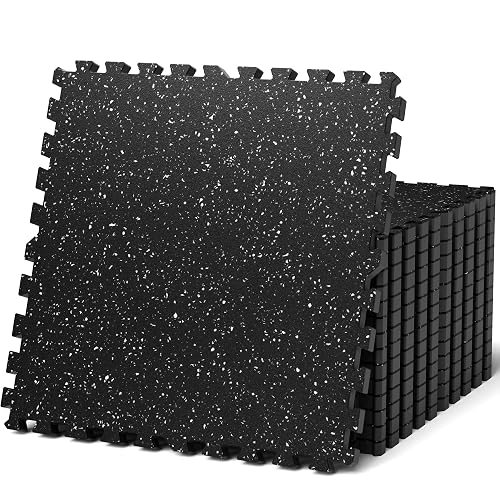
Set the frame on a rubber mat or interlocking tiles to protect your floor and reduce noise. Keep the machine level by adjusting the feet, since an uneven frame can cause the stack to bind. Floor protection is especially important on concrete garage floors.
Using the Machine Safely and Keeping It Running
Good habits prevent most problems. Use controlled movements, return the stack fully before changing weight, and never let the cables go slack and snap back. Inspect the cables, pins and pulleys regularly for fraying, cracks or looseness.
| Check | How Often | What to Look For |
|---|---|---|
| Bolts and hardware | Every few weeks | Loose connections, rattling |
| Cables | Monthly | Fraying, kinks, worn ends |
| Pulleys | Monthly | Grinding, flat spots, stiff rotation |
| Weight stack guide rods | Monthly | Dust, scratches, sticking plates |
For more on keeping a setup stable as you add equipment, see Upgrading a Starter Home Gym: Safety First. If something stops working, Troubleshooting Home Gym Machines: Common Fixes covers the usual causes.
Common Mistakes
- Tightening bolts fully before the frame is square, which makes final alignment difficult.
- Crowding the machine against a wall, leaving no room for full-range exercises.
- Skipping a floor mat, which lets the frame shift and transfers noise to the floor below.
- Loading the stack heavily before testing each station with light weight.
- Ignoring small noises or cable wear, which tend to grow into bigger repairs.
Recommended Gear
A few add-ons make setup and upkeep easier. Choose them based on your floor and how you train.
- Rubber gym mats: Protect the floor and dampen vibration from the weight stack. View on Amazon
- Socket and Allen wrench set: Makes retightening bolts on a multi-station frame quicker and less frustrating. View on Amazon
- Machine lubricant for guide rods: Helps keep weight plates sliding smoothly when used according to label directions. View on Amazon
FAQ
Do I need a bolted floor anchor for the weider 2980 x home gym?
Most owners set the frame on a protective mat and do not bolt it down. Check the manufacturer’s instructions for any anchoring recommendation before you decide.
How much room do I need around the machine?
Plan for about 3 feet of clearance on each side, plus enough ceiling height for the cables to travel fully. Measure your actual exercises before finalizing placement.
How often should I inspect the cables?
A monthly visual check for fraying and kinks is a reasonable routine for most users. Replace any cable showing damage, and consult the manufacturer or a qualified technician if you are unsure.
Conclusion
Setting up the weider 2980 x home gym correctly comes down to careful measuring, square assembly and correct cable routing. Protect your floor, load the stack gradually and inspect the hardware regularly. A few minutes of maintenance each month will keep the machine safe and smooth for years.
Related reading
- 6 Best Weider Adjustable Weight Bench Options for Home Gyms (2026)
- Workout Bench and Weight Set: 3 Best Picks Compared for Home Gyms
- Weight Sets Home Gym: 4 Best Picks Compared (2026)
Ready to choose one?
About Graham Fisher
Graham Fisher is part of our editorial team and reviews and edits our budget home gym equipment guides, checking product details against manufacturer specifications and owner feedback.