 By Graham Fisher
Updated November 2026
Interlocking gym flooring tiles are one of the simplest ways to protect a floor, quiet a workout space and keep weights from cracking concrete or scuffing hardwood. Because each tile snaps to its neighbors, you can cover a garage bay, basement corner or spare bedroom without adhesives or professional installation. The picks below were chosen by comparing manufacturer specifications, overall brand reputation and the patterns owners tend to describe in their feedback, with attention to tile thickness, coverage per box, surface material and how well the tiles hold up under dropped plates and heavy machines. None of this is first-hand testing; it is a research-based shortlist meant to help you narrow your options.
Our top picks at a glance
- 1
 TOP CHOICEBest overallProsourceFit Exercise Puzzle Mat, 1/2 in, 144 sq ft, 36 Tiles, BlackView on Amazon
- 2
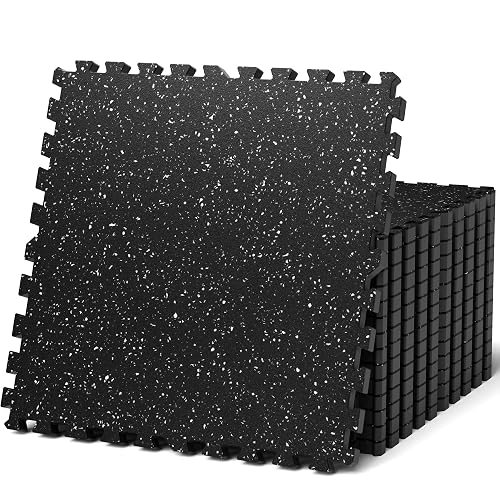 TOP CHOICEBest for heavy liftingAIRHOP 0.79in Thick 48 Sq Ft Exercise Equipment Mats, Rubber TopView on Amazon
- 3
 TOP CHOICEBest for multi-use roomsAIRHOP Gym Floor Mat, Extra Thick Exercise Puzzle Mat, 12.6 in TilesView on Amazon
- 4
 Best for large coverageBalanceFrom Puzzle Exercise Mat 1-inch Thick, 72 Sq Ft, 18 TilesView on Amazon
- 5
 Best budget pick12 Pack 48 sqft Home Gym Mat, EVA Interlocking Foam Floor TilesView on Amazon
Our Top Picks
| Product | Best for | Key feature |
|---|---|---|
| ProsourceFit Exercise Puzzle Mat, 1/2 in, 36 Tiles | Overall balance of coverage and cushioning | 144 sq ft coverage from 36 tiles |
| AIRHOP 0.79in Thick 48 Sq Ft Exercise Equipment Mats | Heavy weight training | Rubber top over high-density EVA foam |
| AIRHOP Gym Floor Mat, Extra Thick 12.6 in Tiles | Mixed-use rooms like garages and kitchens | Extra thick, 12.6-inch square tiles |
| BalanceFrom Puzzle Exercise Mat 1-inch Thick, 72 Sq Ft | Large areas and impact absorption | 1-inch thickness across 18 tiles |
| 12 Pack Home Gym Mat, 48 sq ft | Small rooms and light workouts | Compact 12-tile coverage at 1/2 in |
ProsourceFit Exercise Puzzle Mat, 1/2 in, 144 sq ft, 36 Tiles, Black
ProsourceFit Exercise Puzzle Mat, 1/2 in, 144 sq ft, 36 Tiles, Black
Best for: Overall balance of coverage and cushioning
This set suits someone outfitting a full home gym floor who wants enough tiles to cover a typical two-car garage section or a finished basement room without buying multiple packs. The 1/2-inch profile is a practical middle ground between floor protection and stability for moderate lifting.
Key specs
- Thickness: 1/2 inch
- Coverage: 144 sq ft across 36 tiles
- Color: Black
- Interlocking puzzle edges on all sides
Pros
- Large coverage in a single set
- Thickness suits general cardio and bodyweight work
- Simple snap-together installation
Cons
- Half-inch thickness offers less protection under heavy dropped weights
- Tiles can show slight gaps on very uneven concrete
Bottom line: Pick this if you want the most coverage for the least fuss and your training is mostly moderate-weight or bodyweight.
AIRHOP 0.79in Thick 48 Sq Ft Exercise Equipment Mats, Rubber Top
AIRHOP 0.79in Thick 48 Sq Ft Exercise Equipment Mats, 12 Tiles Upgraded Rubber Top with High Density EVA Foam, Large Interlocking Puzzle Gym Flooring for Home Gym, Heavy Weight Workout,Black & White
Best for: Heavy weight training
Lifters who rack heavier loads or drop plates regularly will appreciate the layered construction. The rubber surface resists scuffing while the dense foam underneath spreads impact, a combination owners often describe as more forgiving than foam alone.
Key specs
- Thickness: 0.79 inch
- Coverage: 48 sq ft across 12 tiles
- Top layer: rubber; core: high-density EVA foam
- Interlocking puzzle design
Pros
- Rubber top handles scraping and dropped equipment well
- Thicker profile than most foam-only tiles
- Covers a useful footprint for a single lifting station
Cons
- Smaller total coverage than the larger multi-pack options
- Rubber top can have a noticeable rubber smell when new
Bottom line: Choose this for a dedicated lifting corner where weight impact and floor protection matter more than covering a large area.
AIRHOP Gym Floor Mat, Extra Thick Exercise Puzzle Mat, 12.6 in Tiles
AIRHOP Gym Floor Mat, Extra Thick Exercise Puzzle Mat, High-Density Interlocking Foam Floor Tiles for Home Gym, Play Workout Garage Kitchen Flooring 12.6"x12.6"x0.4"
Best for: Mixed-use rooms like garages and kitchens
This tile is marketed for more than workouts, including play areas and kitchen zones, which makes it a sensible choice if the floor needs to serve several purposes. The larger 12.6-inch square format means fewer seams to line up than smaller tiles.
Key specs
- Tile size: 12.6 in x 12.6 in
- Thickness: 0.4 inch
- Material: high-density interlocking foam
Pros
- Larger tile size means fewer pieces to assemble
- Flexible enough for varied household use
- Easy to lift and reposition
Cons
- 0.4-inch thickness is thinner than heavy-lifting options
- Smaller tiles may show more seams under heavy machines
Bottom line: A good fit if your floor doubles as a play or kitchen space and you mainly do light to moderate training.
BalanceFrom Puzzle Exercise Mat 1-inch Thick, 72 Sq Ft, 18 Tiles
Tiles for Home Gym, Mat for Home Workout Equipment, Floor Padding for Kids, Black, 24 in x 24 in x 1 in, 72 Sq Ft – 18 Tiles BalanceFrom Puzzle Exercise Mat 1-inch Thick, EVA Interlocking Foam Floor
Best for: Large areas and impact absorption
The one-inch thickness is the main draw here. It suits people who want more cushioning for jumping, floor exercises or equipment that sits directly on the tiles, and who are covering a bigger footprint.
Key specs
- Thickness: 1 inch
- Tile size: 24 in x 24 in
- Coverage: 72 sq ft across 18 tiles
- Material: EVA interlocking foam
Pros
- One-inch profile offers strong cushioning
- Large 24-inch tiles cover ground quickly
- Good for jumping and floor-based training
Cons
- Thick foam can compress under very heavy, concentrated loads
- Less stable for barbell work than a dense rubber top
Bottom line: Pick this when cushioning and coverage matter most, and your equipment is not extremely heavy.
12 Pack 48 sqft Home Gym Mat, EVA Interlocking Foam Floor Tiles
12 Pack 48 sqft Home Gym Mat, Puzzle Exercise Mat, EVA Interlocking Foam Floor Tiles for Home Workout Equipment Black, 24 in x 24 in x ½ in – 12 Tiles (Black, 12 Pack, 48 SQ FT)
Best for: Small rooms and light workouts
A twelve-tile set at half an inch is a practical starting point for a spare room or a corner of a bedroom. It keeps the footprint manageable and the setup quick, which suits people who train with dumbbells, yoga or bodyweight routines.
Key specs
- Thickness: 1/2 inch
- Tile size: 24 in x 24 in
- Coverage: 48 sq ft across 12 tiles
- Material: EVA interlocking foam
Pros
- Affordable way to cover a small room
- Quick to assemble and easy to store
- Adequate for light and moderate training
Cons
- Limited coverage for larger setups
- Half-inch foam offers modest protection under heavy drops
Bottom line: A sensible choice for a small home gym or a trial run before committing to a larger floor.
Buying Guide
Tile thickness
Thickness is the first decision because it controls both cushioning and stability. Half-inch tiles are common for bodyweight and cardio; one-inch tiles absorb more impact but can compress under concentrated loads. For barbell work, many people prefer a denser or rubber-topped surface. Manufacturers generally specify thickness in the listing, so compare that number directly.
Good picks for this: AIRHOP 0.79in Thick Exercise Equipment Mats; BalanceFrom Puzzle Exercise Mat 1-inch Thick
Material: foam versus rubber top
EVA foam is lightweight, quiet and inexpensive to replace, but it can dent. Rubber surfaces resist abrasion and dropped plates better. Many owners choose a layered design with a rubber top over foam core to combine both benefits. Check whether the tile is foam throughout or has a distinct top layer.
Good picks for this: AIRHOP 0.79in Thick Exercise Equipment Mats; ProsourceFit Exercise Puzzle Mat, 1/2 in
Coverage and how many tiles you need
Measure the floor first. Multiply length by width in feet to get square footage, then add a margin of a few tiles for trimming or equipment overhang. Confirm that the listed coverage (for example 48 or 144 square feet) matches the number of tiles in the set, since packs vary.
Good picks for this: ProsourceFit Exercise Puzzle Mat, 1/2 in, 36 Tiles; 12 Pack Home Gym Mat, 48 sq ft
Tile size and seam count
Larger tiles mean fewer seams and faster installation, while smaller tiles can be easier to fit into odd-shaped rooms. A 24-inch square is a common size; some brands use 12-inch or 12.6-inch tiles for more flexibility around corners and door frames.
Good picks for this: AIRHOP Gym Floor Mat, Extra Thick 12.6 in Tiles; 12 Pack Home Gym Mat, 48 sq ft
Use case and equipment weight
Match the tile to what you will place on it. Light dumbbells and yoga need less protection than a squat rack or heavy plates. If you will roll weights or use machines with concentrated feet, consider a denser build and check that the tiles lie flat without gaps. A spare room for stretching has very different needs from a basement lifting area.
Good picks for this: AIRHOP 0.79in Thick Exercise Equipment Mats; AIRHOP Gym Floor Mat, Extra Thick 12.6 in Tiles
Durability and care
Owners commonly report that tiles hold up well to regular sweeping and occasional damp cleaning. Avoid harsh solvents that can degrade foam or rubber. Check tiles periodically for crushed spots, especially under heavy equipment, and replace any that have lost their shape. Rotating tiles from high-traffic zones can extend their life.
Good picks for this: AIRHOP 0.79in Thick Exercise Equipment Mats; ProsourceFit Exercise Puzzle Mat, 1/2 in
Floor surface and subfloor
Interlocking tiles work best on a level, clean surface. Uneven concrete can create gaps and wobble. Sweep and check for debris before installation. On wood floors, tiles can trap moisture if the room is damp, so ventilation matters in basements.
Good picks for this: BalanceFrom Puzzle Exercise Mat 1-inch Thick; 12 Pack Home Gym Mat, 48 sq ft
FAQ
How thick should interlocking gym tiles be?
For general cardio, bodyweight and light dumbbell work, half-inch tiles are commonly used. For jumping or more cushioning, one-inch tiles are a popular choice. For heavy lifting, many people prefer a layered rubber-top design because it resists dropped weights better than foam alone.
Can interlocking tiles go over concrete in a garage?
Yes, as long as the concrete is reasonably level and clean. Sweep thoroughly first. Be aware that concrete can hold moisture, so some owners place a vapor barrier underneath or choose tiles that allow airflow.
Do foam tiles hold up under barbell weights?
Foam tiles can dent or compress under concentrated loads, especially with heavy plates. A rubber top or higher-density core generally holds up better. If you lift heavy, prioritize surface durability and check that tiles lock tightly together.
How do I clean interlocking gym floor tiles?
Sweep or vacuum regularly and wipe with a damp cloth and mild soap. Avoid solvents, bleach and abrasive pads that can break down foam or rubber. Let the tiles dry fully before reassembling if you lift them for cleaning underneath.
Can I cut interlocking tiles to fit a room?
Most foam tiles can be trimmed with a sharp utility knife or straight edge. Measure carefully, cut on a stable surface, and keep edges intact where they lock into neighboring tiles. Edge pieces are often sold separately in some sets.
How long do these tiles last?
Lifespan depends on thickness, material, load and care. Owners generally report several years of regular use with normal training. Replace tiles that have crushed, cracked or lost their interlocking fit, since damaged edges reduce stability.
Conclusion
For most home gyms, the ProsourceFit Exercise Puzzle Mat offers the broadest coverage for the money and suits general training. If you lift heavy or drop weights, the AIRHOP 0.79in Thick mat with a rubber top is the more protective choice. The AIRHOP Gym Floor Mat with 12.6-inch tiles works well for shared spaces, the BalanceFrom 1-inch set suits cushioning-focused routines, and the 12 Pack mat fits small rooms and light workouts. Measure your floor, decide how heavy your equipment is, and let those two factors guide your choice.
Sources
- Consumer product safety information on home fitness equipment and flooring hazards (cpsc.gov)
- Workplace floor safety and surface guidance that can inform home setup decisions (osha.gov)
- Exercise training guidance on safe equipment use and training space setup (acefitness.org)
Related reading
- 7 Best Rubber Tile Floorings for Gym Spaces Compared (2026)
- Turf Flooring for Gym: 7 Best Picks for Home Gyms (2026)
- Rubber Mat Gym Flooring: 7 Best Picks for Home Gyms in 2026
- Rolled Rubber Gym Flooring: 6 Best Picks for Home Gyms in 2026
- Home Gym Flooring Basics: Level, Protected and Stable
- Garage Flooring for Gym: 10 Best Picks for Home Gyms (2026)
About Graham Fisher
Graham Fisher is part of our editorial team and reviews and edits our budget home gym equipment guides, checking product details against manufacturer specifications and owner feedback.