 By Graham Fisher
A foldable home gym system lets you train at home and then fold the equipment away when you’re finished. The right setup gives you a full strength routine in a corner, closet or spare room without permanent bolts or a dedicated gym space. This guide walks through how to size your space, judge build quality, pick the right features and install the system safely so it stays steady during heavy lifts.
What a Foldable Home Gym System Actually Includes
Most foldable setups fall into one of three groups. Some are wall-mounted frames that swing or fold flat against the wall. Others are freestanding folding racks with a pivoting upright. A third group is a compact multi-station unit that folds into a box or cabinet-like profile. The mechanism differs, but the goal is the same: a rigid frame that can hold a barbell safely when open and store in a small footprint when closed.
Shopping for one? See our guide: 7 Best All in One Home Gym Systems for Small Spaces (2026).
Before you compare models, know what the typical kit contains. Manufacturers usually specify a frame or upright set, safety catches or spotter arms, a pull-up bar, and mounting hardware. Some include a bench, a lat pulldown attachment or cable pulley. Others sell these as add-ons. Read the parts list carefully, because a unit that looks complete in photos may need a separate bench and plates to be usable.
Step 1: Measure Your Space and Its Folded and Open Footprint
Start with the room, not the product. Measure the floor area you can spare, the ceiling height and the wall surfaces you can use. Then check two numbers the manufacturer lists: the open footprint (the area the frame covers while in use) and the folded footprint (the depth it occupies when stored). If the open depth is 6 feet but you only have 5 feet of clearance, the unit won’t fit regardless of how it folds.
Add working clearance on top of the frame dimensions. As a practical baseline:
- Allow at least 2 feet on each side of the bar path for loading and unloading plates.
- Keep roughly 3 feet of clear space behind the unit so you can step back without hitting a wall.
- Confirm the ceiling clears the top of the frame by a comfortable margin, especially if you plan to do overhead presses.
For a fuller planning process, see Planning Home Gym Space: Clearances and Layout and How Much Space Do You Need for a Home Gym?.
Step 2: Check the Floor and Wall Structure
Folding equipment is only as stable as the surface it sits on. Concrete slabs and wood-framed walls with solid studs are the safest choices. Drywall alone is not enough for an anchored unit. If the manufacturer requires wall anchors, locate studs with a stud finder and confirm the fastener type matches the wall material. Hollow-wall anchors are a poor substitute for lag bolts into framing.
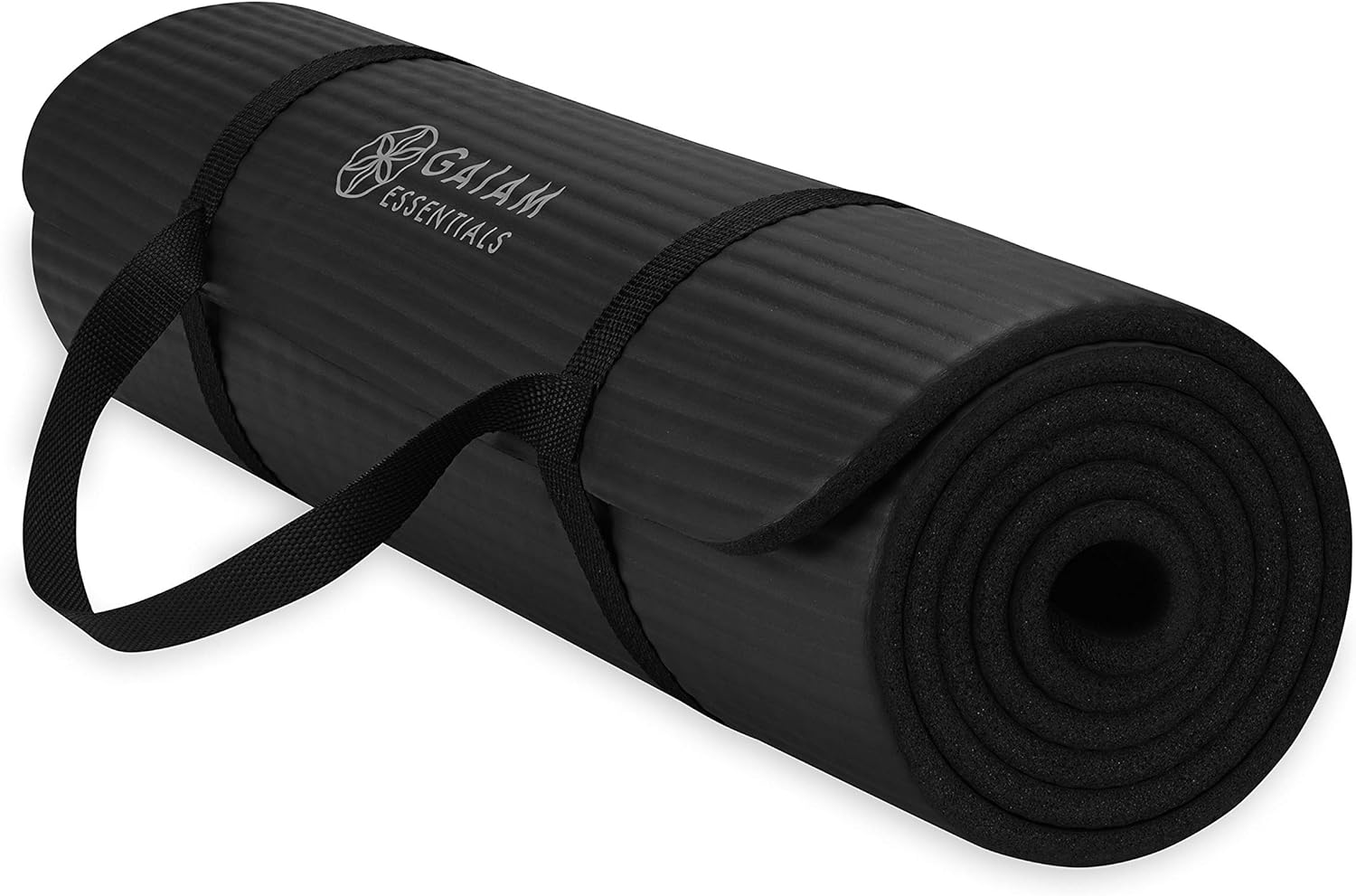
Check the floor for level. A frame that sits on an uneven surface can rack slightly out of plumb, which shifts the load on the safety catches. If the floor is uneven, shim the feet or add a rubber mat designed for equipment. Covering the floor with a protective mat also helps with noise and floor damage. Home Gym Flooring Basics: Level, Protected and Stable covers this in more detail.
Step 3: Evaluate Build Quality and Load Ratings
Foldable designs have more hinges, pins and locking points than fixed racks, so the hardware deserves attention. Look for the following:
- Stated load capacity. Manufacturers typically list a maximum static load for the frame and a separate limit for the bar or pull-up attachments. Use the lower figure as your ceiling.
- Frame gauge and tube size. Thicker steel tube and heavier-gauge uprights resist flex under load. Ask the seller or check the spec sheet for wall thickness rather than relying on marketing terms.
- Locking mechanism. A fold-and-lock design should click into place firmly with no wobble. Spring pins and threaded knobs should engage fully.
- Safety catches. Adjustable J-hooks or spotter arms are the main protection during squats and bench presses. They should be height-adjustable in small steps and sized for the bar you plan to use.
- Hinge and pivot points. Check that pivots are bushed or fitted with hardened pins. Loose hinges are the most common long-term weakness in folding frames.
Step 4: Match the Feature Set to Your Training Goals
A foldable frame does not need every accessory. Decide what you will use most. A basic setup for squats, bench press and pull-ups needs only the frame, safety catches and a pull-up bar. If you want lat pulldowns, cable rows or leg extensions, look for systems with a pulley arm or a cable attachment point, and confirm that the weight stack or cable system is included or sold separately.
Bench compatibility matters too. Many foldable units sit beside a standard flat bench, while others are designed for a specific bench model. If you already own a bench, measure its footprint and height and confirm it fits inside the frame’s bench zone.
Step 5: Assemble and Anchor Safely
Assemble the unit following the manufacturer’s sequence exactly. Tighten all bolts to the torque stated in the manual if one is given, or to a firm hand-tight setting followed by a final check with a wrench. Loose bolts cause most problems on folding frames.
Test every lock point before loading the bar. Fold the unit fully, then open it and confirm each pin seats. With the bar empty, press the frame gently in several directions and watch for movement. Only after that should you add light weight, then increase load in small steps while checking the catches and anchors each time.
Setup checklist
- Floor measured for open and folded footprint plus clearance
- Wall studs or solid floor confirmed for anchoring
- Manufacturer’s load ratings noted and not exceeded
- All bolts and pins tightened and rechecked after the first week
- Safety catches set just below the lowest point of your squat or bench press
- Protective flooring under the unit
Common Mistakes
- Buying by open size only. Forgetting the folded depth or the plate-loading clearance leaves you with a unit that won’t fold back against the wall.
- Skipping anchors. Even a stable frame can tip or walk if it isn’t fastened to studs or a solid floor.
- Setting catches too high. Catches that sit far above the bottom of a squat give little protection if you fail a rep.
- Ignoring the weight rating. Loading past the stated maximum, or stacking heavy plates on an uneven frame, is a common route to bent uprights.
- Never rechecking hardware. Folding and unfolding loosens fasteners over time. Check them regularly.
Recommended gear
Several accessories make a foldable system easier to use and safer over time.
- Stud finder: Locating framing before drilling is the single most important anchoring step. View on Amazon
- Rubber equipment mat: A thick mat protects the floor, reduces noise from dropped plates and helps keep the frame from sliding. View on Amazon
- Torque wrench: Helpful for tightening frame bolts to the manufacturer’s specified value rather than guessing. View on Amazon
- Bar pad or safety spotter arms: Extra catch hardware gives you a second line of protection when training alone. View on Amazon
FAQ
Can a foldable home gym system be used without wall anchors?
Some freestanding models are designed to sit on the floor without wall attachment. Even then, check the manual. Many manufacturers recommend anchoring for heavy loads, and a frame that can tip forward during a set is a serious hazard.
How much floor space do I need?
It depends on the model. Measure the open footprint, add clearance on each side for loading plates, and confirm the folded depth. Most people plan for a clear area roughly the size of a standard parking space for comfortable use.
Is a folding frame as strong as a fixed rack?
Strength depends on tube gauge, pin quality and welds, not on whether the unit folds. A well-built folding frame can be very sturdy, but the hinges and locks are the points to inspect most closely.
Can I do heavy squats on a foldable system?
Yes, provided the frame’s load rating covers your working weight and the safety catches are set correctly. Test with light weight first and build up gradually.
How often should I check the hardware?
Check bolts and pins after the first few uses, then at least monthly. Frequent folding and unfolding is the main reason fasteners loosen.
Do I need a spotter arm or safety bar?
Safety catches are strongly recommended for squats and bench presses, especially when training alone. They are the main protection if you cannot complete a lift.
Is professional installation necessary?
Many people assemble these units themselves. If you are unsure about anchoring to a particular wall or floor, consult a qualified contractor or the manufacturer before drilling.
Conclusion
A foldable home gym system works well when you match it to your space, confirm the frame and anchors can handle your loads, and choose catches and accessories that fit how you train. Measure first, check the hardware, and test the setup in light steps before you load heavy weight. With those basics in place, a folding frame can give you a safe and practical strength setup in a small footprint.
Related reading
- 10 Best All in One Gym Systems for Home Training (2026)
- Xterra Adjustable Dumbbells Set: 9 Best Picks for Home Gyms (2026)
- Upgrading a Starter Home Gym: Safety First
Ready to choose one?
About Graham Fisher
Graham Fisher is part of our editorial team and reviews and edits our budget home gym equipment guides, checking product details against manufacturer specifications and owner feedback.