 By Graham Fisher
Updated November 2026
A centr 2 home gym functional trainer is a cable-based station that lets you run pulling, pressing, rotational and lower-body movements from a single frame. This guide walks through what the machine is built to do, how to place and set it up safely, how to choose the right resistance and attachments, and the mistakes that most often lead to frustration. By the end, you should know whether this type of trainer fits your space and training goals, and how to get it running properly.
What a Functional Trainer Does in a Home Gym
A functional trainer is a frame with two adjustable pulleys, usually mounted on vertical uprights, connected to a weight stack or resistance system. Because each side can be set independently and moved up or down, you can train movements that free weights and fixed machines handle awkwardly. Cable work keeps tension on the muscle through much of the range of motion, which is one reason trainers are popular for accessory work.
Shopping for one? See our guide: Designing Your Own Home Gym: 5 Best Picks for 2026, Compared.
In practical terms, a trainer covers:
- Upper-body pulls such as lat pulldowns, seated rows and straight-arm pulldowns.
- Presses and flyes at chest and shoulder height.
- Cable curls, triceps pushdowns and overhead extensions.
- Glute and hamstring work such as cable kickbacks, pull-throughs and standing hip abduction.
- Core and rotational work, including woodchops and anti-rotation presses.
Because the pulleys are your anchor points, the trainer can replace several single-purpose machines. That is the main reason people look at this format for a home gym with limited floor space.
Step 1: Check Your Space and Clearances
Before you think about the machine itself, measure the room. Cable stations need more room than their footprint suggests, because you will move through a wide arc during rows, lateral raises and rotational work.
A practical checklist:
- Ceiling height: most users need at least 8 feet, and more if you plan to do overhead presses or tall pulls.
- Side clearance: allow roughly 3 feet on each side of the unit for lateral movement and cable travel.
- Front clearance: leave around 6 feet in front for standing exercises and step-back lunges.
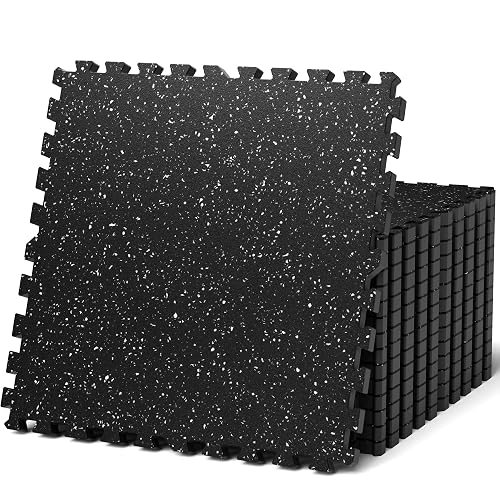
- Floor type: a rubber mat or rolled rubber flooring protects the floor and reduces movement noise.
- Wall and door access: confirm the frame will not block a door swing or a main walkway.
If you are working in a tight room, the guide on Planning Home Gym Space: Clearances and Layout covers layout math in more detail. For smaller rooms, Space-Saving Home Gym Equipment: 7 Ways to Fit a Full Workout in a Small Room is a useful companion read.
Step 2: Plan the Anchor and Mounting Points
Most trainers attach to a sturdy frame or wall-mounted structure. Always follow the manufacturer’s instructions for bolt sizes, torque and anchoring. If the unit bolts into studs or a wall plate, use a stud finder and confirm the load rating. Do not mount a cable station to drywall alone.
Anchoring checklist
- Locate wall studs or a freestanding base that is rated for the trainer’s weight plus your maximum working load.
- Pre-drill pilot holes to avoid splitting the wood.
- Tighten all fasteners to the torque specified in the manual, then recheck after the first week of use.
- Test by pulling each cable slowly at full load before you train on it.
Owners often report that loose hardware is the most common early issue. A quick check after the first few sessions prevents most of it. For ongoing care, see Preventive Maintenance for Home Gym Machines.
Step 3: Set Up Pulleys, Cables and Attachments
Once the frame is secure, set the pulleys to match the exercise. Pulley height determines the line of pull, so a few adjustments make a big difference in comfort and effectiveness.
| Exercise | Pulley height | Body position |
|---|---|---|
| Lat pulldown | High (above head) | Seated or kneeling, slight lean back |
| Seated row | Mid or low | Seated, chest tall |
| Chest flye | Mid (shoulder height) | Staggered stance, slight forward lean |
| Triceps pushdown | High | Standing, elbows pinned at sides |
| Cable curl | Low | Standing, upright torso |
| Woodchop | Low or high | Athletic stance, rotate through hips |
| Glute kickback | Low | Ankle strap, hinge slightly forward |
Use the attachments that come with the trainer, and replace them if they show cracking or fraying. Common attachments include a straight bar, a V-handle, a rope, single handles and ankle straps. Confirm that every carabiner or snap hook is fully closed before lifting.
Step 4: Choose the Right Resistance
Stack-based trainers usually offer weight increments through a pin selector. Start with a light stack for every new movement. Cable work feels different from free weights, and the first session often reveals that a weight you thought was easy is actually challenging, or the reverse.
A simple progression approach:
- Choose a weight where you can complete 12 to 15 controlled reps with good form.
- When that becomes easy, increase by one plate increment on the next session.
- If form breaks down before you reach 8 reps, drop back one increment.
- Track each session so you can see progress over several weeks.
If you train with a partner or plan to add heavier loads later, check the maximum stack capacity and whether the trainer supports weight add-ons. The article on Weight Sets Home Gym: 4 Best Picks Compared (2026) can help you think about how additional weight fits into a budget build.
Step 5: Build a Simple Starting Routine
A balanced first routine covers push, pull, legs and core. Two or three full-body sessions per week is a reasonable starting point for most people.
Sample full-body session
- Lat pulldown: 3 sets of 10 to 12
- Chest flye (mid pulley): 3 sets of 12 to 15
- Seated row: 3 sets of 10 to 12
- Triceps pushdown: 2 sets of 12 to 15
- Cable curl: 2 sets of 12 to 15
- Woodchop: 2 sets of 10 per side
- Glute kickback: 2 sets of 12 per side
Rest 60 to 90 seconds between sets for accessory work. Stop a set when you cannot maintain controlled form.
Common Mistakes to Avoid
- Skipping the anchoring check. Loose bolts cause wobble and can damage the frame over time.
- Using pulleys at the wrong height. A poorly placed pulley changes the muscle emphasis and strains joints.
- Jumping to heavy weight. Cable resistance can feel deceptively light at first.
- Letting the stack slam. Lower the weight under control to protect the pins and the stack.
- Ignoring the floor. Without a mat, the frame can slide and the floor can scuff.
- Not planning for expansion. If you add a bench or rack later, measure the full layout first.
Recommended gear
Some accessories make a functional trainer more comfortable and easier to use day to day.
- A rubber gym mat protects the floor and keeps the frame from shifting under load. View on Amazon
- Ankle straps are needed for glute and hip work and help keep attachments secure. View on Amazon
- Lifting straps help with heavier pulldowns and rows when grip becomes the limit. View on Amazon
- A stud finder makes it easier to locate anchor points before mounting. View on Amazon
FAQ
Is a centr 2 home gym functional trainer suitable for beginners?
Yes. Cable machines are well suited to beginners because the resistance is adjustable and the movement path is guided. Start light and focus on controlled reps.
How much space do I need?
Plan for roughly 3 feet on each side, about 6 feet in front, and at least 8 feet of ceiling height. Measure your specific unit before buying.
Do I need to bolt the trainer to the floor or wall?
Follow the manufacturer’s instructions. Many units require anchoring for stability and safety, especially at higher loads.
Can I replace a lat pulldown machine with a functional trainer?
For many people, yes. The trainer can handle pulldowns, rows and pushdowns, though a dedicated lat machine may feel more stable for very heavy work.
What flooring works best under a cable station?
A thick rubber mat or rolled rubber flooring is a practical choice. It protects the floor, absorbs vibration and reduces noise. The guide to Rubber Mat Gym Flooring: 7 Best Picks for Home Gyms in 2026 covers options in detail.
How often should I inspect the cables and pulleys?
Check them before each session for fraying, cracks or unusual noise, and perform a deeper inspection monthly. Replace any worn cable immediately.
Should I consult a professional before starting?
If you have joint problems, a back condition, heart concerns or any injury, consult a doctor or physical therapist before starting a new strength program. A certified trainer can also help you set up proper form.
Conclusion
A centr 2 home gym functional trainer can cover a wide range of pulling, pressing, arm, core and lower-body exercises from one station. Success depends on measuring your room, anchoring the frame securely, setting pulleys to match each movement and progressing resistance gradually. Work through the checklists above before your first session, and revisit them as your training changes.
Ready to choose one?
About Graham Fisher
Graham Fisher is part of our editorial team and reviews and edits our budget home gym equipment guides, checking product details against manufacturer specifications and owner feedback.