As an Amazon Associate I earn from qualifying purchases. This page may contain affiliate links.
A bowflex xtreme 2 se home gym is a compact, all-in-one setup built around a single machine that uses resistance rods instead of stacked weights. This guide walks you through what the machine does well, how much room you need, how to set it up safely, and the mistakes buyers often make. By the end, you will know whether this type of machine fits your space, your goals and your training habits.
What the Bowflex Xtreme 2 SE Is Designed to Do
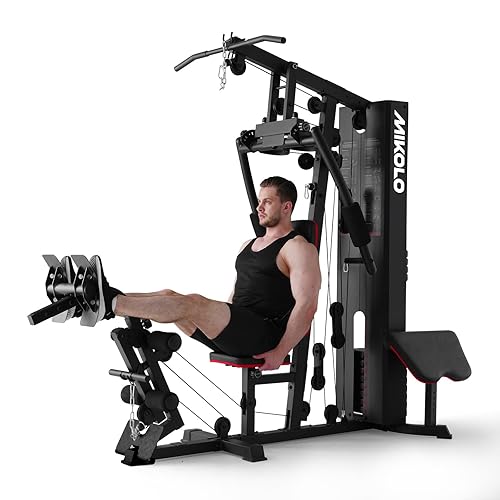
The Xtreme 2 SE is a multi-station resistance machine. Instead of plates, it uses a set of flexible steel rods that bend under load. Users pull, press and push along a bar path, and the amount of resistance depends on how many rods are engaged. The design is meant to cover a wide range of upper-body and lower-body movements without needing a separate rack, bench and cable tower.
Shopping for one? See our guide: Designing Your Own Home Gym: 5 Best Picks for 2026, Compared.
Owners often describe it as a practical choice for people who want strength and general fitness work in a limited footprint. It is not a substitute for a full free-weight setup if your goal is heavy barbell lifting, but it can handle a broad set of compound and isolation exercises for everyday training.
Step 1: Confirm the Space Before You Commit
Most people underestimate how much room a multi-station machine needs. The frame itself is only part of the story. You also need clearance to load the rods, step around the bench and reach each handle without hitting a wall or ceiling.
Manufacturers publish overall dimensions and recommended clearances, and those numbers should guide your decision. As a general planning rule:
- Measure the footprint of the frame, then add at least 2 feet on each side for movement.
- Check ceiling height for overhead pulls and any tall rods or attachments.
- Leave room behind the machine so you can access the rods and safely exit the seat.
- Keep it away from doorways, stairs and furniture you might bump during a set.
If you are still deciding where it fits, the guide on How Much Space Do You Need for a Home Gym? offers useful measuring methods, and Planning Home Gym Space: Clearances and Layout covers clearance rules in more depth.
Step 2: Prepare the Floor
A solid, level floor keeps the frame from rocking and protects the surface underneath. Concrete garage floors work well, though they can be cold and hard on the joints if you stand on them for long sessions. Wood subfloors may need extra support for a heavy machine.
Add a rubber or foam mat under the entire footprint. This reduces slipping, absorbs small vibrations and protects both flooring and the machine’s feet. Check for level with a bubble level before final assembly, and adjust any feet if the frame sits unevenly.
For specific material choices, see Home Gym Flooring Basics: Level, Protected and Stable.
Step 3: Assemble Carefully
Read the manufacturer’s assembly manual all the way through before you open any hardware bag. Lay out every part and count the bolts, pins and washers against the parts list. Missing or mismatched hardware is a common source of wobble and early wear.
Tools and Supplies Checklist
- Manufacturer-supplied wrenches and Allen keys (keep them in one place)
- A second adult to help lift heavy frame sections
- A level and a tape measure
- A rubber mat or floor protector
- Thread-locking compound only if the manual calls for it
- A clean work area with good lighting
Assembly Sub-Steps
- Assemble the base frame first and check that it is square before tightening all fasteners.
- Attach upright and rail components in the order the manual specifies.
- Tighten bolts in stages, moving across the frame rather than fully tightening one corner at a time.
- Install the seat, pulleys and rod housings last, then verify each moving part by hand.
Step 4: Inspect and Test Before Heavy Use
Once the frame is fully built, run a complete inspection. Look for loose bolts, cracked welds, pinched cables or rods that do not seat properly. Move each handle through its full range without resistance first, then add light load and repeat.
Check the following on a regular schedule:
| Check | What to Look For | How Often |
|---|---|---|
| Bolts and fasteners | Looseness or wobble in the frame | Before each month of use |
| Rods and housings | Kinks, cracks, or rods not seating fully | Every few weeks |
| Pulleys and cables | Fraying, uneven travel, or grinding | Every few weeks |
| Seat and pads | Cracks, tears, or loose mounting | Monthly |
For a fuller routine, the article on Preventive Maintenance for Home Gym Machines lays out a schedule you can adapt, and Troubleshooting Home Gym Machines: Common Fixes helps when something feels off.
Step 5: Plan Your Training Around the Machine
A multi-station machine rewards a plan. Pick a small set of movements that cover pushing, pulling, squatting or hinging, and core work, then rotate them across the week. Start with lighter resistance to learn the bar path and seat positions, and increase gradually.
If you are new to structured training, Home Gym Workout Routines: 3 Beginner Plans for Budget Setups offers session templates that fit compact equipment. Keep sessions consistent and log your weights so progress is visible.
Common Mistakes
- Skipping the level check. A slightly tilted frame can shift the bar path and stress the joints over time.
- Loading too fast. Adding rods quickly makes it easy to lose control of the handles, especially on pulling movements.
- Ignoring clearance. Hitting a wall or ceiling mid-set is one of the most common causes of damaged paint and pinched fingers.
- Letting kids near it. Moving rods and handles can cause serious pinch injuries. Read Home Gym Equipment Safety: Kids, Keys and Catches before setup if children use the room.
- Forgetting ventilation and noise. Metal rods and pulleys can be loud on a hard floor. Reducing Home Gym Noise and Protecting Hearing suggests simple fixes.
Recommended gear
A few accessories make the setup safer and more comfortable. These are general-purpose items that fit most compact machines.
- A thick rubber gym mat helps protect the floor and dampen vibration under the frame. View on Amazon
- A bubble level makes the initial leveling check quick and accurate. View on Amazon
- A set of lifting straps and gloves protects your grip during pulling sets. View on Amazon
FAQ
Is the bowflex xtreme 2 se home gym suitable for beginners?
Yes, many beginners find it approachable because the rods and guided handles make movement paths more predictable than free weights. Start light, learn each station, and build up gradually.
How much space does it need?
Plan for the full footprint plus clearance on every side for loading rods and stepping in and out of the seat. Measure your room before ordering.
Does it need to be bolted to the floor?
Check the manufacturer’s instructions. Most owners use a level, protective mat and stable floor, and anchoring requirements vary by model and installation.
Can it replace a squat rack and barbell?
It can cover many compound movements, but heavy barbell squats, deadlifts and bench presses are not its strength. If those lifts are central to your plan, a separate rack may still be useful.
How often should I inspect the machine?
Do a quick visual check each time you train and a more complete inspection of bolts, rods and cables at least monthly.
Is it loud?
Rods and pulleys can make noise on hard floors. A thick mat and regular lubrication of moving parts, as the manufacturer recommends, help reduce it.
Should I consult a professional before starting?
If you have a heart condition, joint injury, back problems or any other health concern, speak with a doctor or qualified trainer before starting a resistance program.
Conclusion
A bowflex xtreme 2 se home gym can deliver broad, compact resistance training when the space, floor and assembly are handled carefully. Measure your room, prepare a level surface, build methodically and inspect often. With a simple weekly plan and steady loading, the machine can support consistent training for a wide range of goals.