 By Graham Fisher
Updated November 2026
Cushioned flooring for gym use protects your joints, your subfloor, and the room below your weights. Whether you are setting up a garage corner or a spare bedroom, the right foam or rubber-topped tile can make heavy lifting and bodyweight work far more comfortable. This guide compares five interlocking tile options from the product set we selected. Our selection criteria were material construction as stated in each listing, tile thickness, coverage per box, interlocking edges, surface texture, and the kind of owner feedback patterns that tend to come up for mats in this category. We did not physically test these products; the comparison is based on specifications and common owner reports.
Our top picks at a glance
- 1
 TOP CHOICEBest overallSUPERJARE 0.79" Extra-Thick Rubber Top TilesView on Amazon
- 2
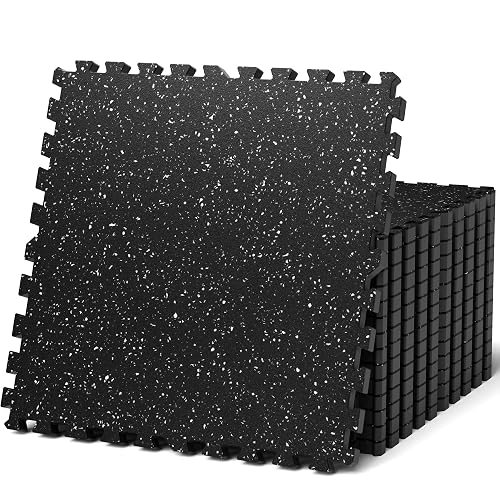 TOP CHOICEBest for heavy lifting zonesAIRHOP 0.79in Thick 48 Sq Ft Exercise Equipment MatsView on Amazon
- 3
 TOP CHOICEBest budget pickSUPERJARE 0.56" Rubber Top Gym FlooringView on Amazon
- 4
 Best for a finished lookForest Floor Farmhouse 3/8 Inch Printed Foam TilesView on Amazon
- 5
 Best for light-to-moderate home workoutsAIRHOP 0.56in Thick 48 Sq Ft Exercise Equipment MatsView on Amazon
Our Top Picks
Quick Comparison
| Product | Best for | Key feature |
|---|---|---|
| SUPERJARE 0.79″ Extra-Thick Rubber Top Tiles | Overall protection under heavy equipment | 0.79″ thickness with rubber top and EVA foam core |
| AIRHOP 0.79in Thick Rubber Top Tiles | Heavy lifting zones | 0.79″ thickness, large puzzle interlock |
| SUPERJARE 0.56″ Rubber Top Gym Flooring | Budget-conscious setups | 0.56″ thickness, 48 sq ft coverage |
| Forest Floor Farmhouse Printed Foam Tiles | Finished-looking rooms | Wood grain print, 3/8″ thickness |
| AIRHOP 0.56in Thick Rubber Top Tiles | Light-to-moderate home workouts | 0.56″ thickness, 24 x 24″ tiles |
SUPERJARE 0.79″ Extra-Thick Rubber Top Tiles
Rubber Top Floor Tiles with High Density EVA Foam, Interlocking Gym Flooring for Home Gym, Workout Mat, Black/Grey SUPERJARE 0.79'' Extra-Thick 12 Pcs 48 Sq Ft Exercise Equipment Mats
Best for: Overall protection under heavy equipment
This is a good fit for someone setting up a full rack, bench, and free weights who wants the thickest cushioning in this lineup. It suits garage and basement gyms where dropped plates and heavy landings are routine.
Key specs
- Thickness: 0.79 inches (per listing name)
- Quantity: 12 tiles, 48 sq ft coverage
- Construction: rubber top over high-density EVA foam
- Interlocking tile design, black/grey finish
Pros
- Thick profile absorbs impact well under heavier loads
- Rubber top resists scuffing better than bare foam
- Interlocking edges keep seams tight across the floor
Cons
- Thick tiles can feel less stable for balance-heavy movements
- Edges may need trimming to fit odd-shaped rooms
Bottom line: Choose this if you want maximum cushioning under barbells and racks and do not mind the added height.
AIRHOP 0.79in Thick 48 Sq Ft Exercise Equipment Mats
AIRHOP 0.79in Thick 48 Sq Ft Exercise Equipment Mats, 12 Tiles Upgraded Rubber Top with High Density EVA Foam, Large Interlocking Puzzle Gym Flooring for Home Gym, Heavy Weight Workout,Black & White
Best for: Heavy lifting zones
Suited to lifters who concentrate their work in one area, such as a power rack station, and want a 0.79-inch cushion with a rubber surface that holds up to repeated loading.
Key specs
- Thickness: 0.79 inches
- Quantity: 12 tiles, 48 sq ft
- Rubber top with high-density EVA foam base
- Large interlocking puzzle design, black and white
Pros
- Thick cushion for heavy dropped loads
- Large tiles reduce the number of seams
- Black-and-white finish hides wear marks reasonably well
Cons
- Heavier to lift and reposition than thinner options
- Rubber top can carry a noticeable rubber odor when new
Bottom line: A strong pick for a dedicated lifting station where impact protection matters most.
SUPERJARE 0.56″ Rubber Top Gym Flooring
High Density Gym mat with Upgraded Rubber Top, 12 Pcs Interlocking EVA Foam Exercise Equipment mat, Workout Mat, Black/Grey SUPERJARE 0.56'' Thick 48 Sq Ft Rubber Top Gym Flooring for Home Gym
Best for: Budget-conscious setups
A practical choice for someone building a home gym in stages, or for a room where moderate cushioning is enough and the budget is tighter.
Key specs
- Thickness: 0.56 inches
- Quantity: 12 tiles, 48 sq ft
- Rubber top with EVA foam core
- Interlocking black/grey tiles
Pros
- Lower profile is easier to step onto and off of
- Same 48 sq ft coverage as the thicker tiles
- Easy to cut for corners and doorways
Cons
- Less cushion than 0.79-inch tiles under heavy drops
- Thinner foam may compress faster under sustained heavy loads
Bottom line: A sensible budget pick for dumbbell and kettlebell training or lighter barbell work.
Forest Floor Farmhouse 3/8 Inch Printed Foam Tiles
Forest Floor Farmhouse 3/8 Inch Thick Printed Foam Tiles, Premium Wood Grain Interlocking Foam Floor Mats, Anti-Fatigue Flooring – Stylish Flooring Solution
Best for: Finished-looking rooms
This suits people who want their gym to blend with a living space, such as a den or home office converted to exercise use, and who are doing lighter training rather than heavy barbell work.
Key specs
- Thickness: 3/8 inch
- Printed wood grain surface
- Interlocking foam tile design
- Anti-fatigue foam construction
Pros
- Wood grain print gives a more finished appearance
- Thinner profile suits low-ceiling or multipurpose rooms
- Comfortable underfoot for standing and bodyweight work
Cons
- Thinner foam offers limited protection under heavy dropped weights
- Printed surfaces can show scuffs over time with heavy use
Bottom line: Pick this for light training and a home-style look rather than serious lifting.
AIRHOP 0.56in Thick 48 Sq Ft Exercise Equipment Mats
AIRHOP 0.56in Thick 48 Sq Ft Exercise Equipment Mats, 12 Tiles Upgraded Rubber Top with High Density EVA Foam, Large Interlocking Puzzle Gym Flooring for Home Gym, Heavy Weight Workout, 24 x 24in
Best for: Light-to-moderate home workouts
Aimed at people doing bodyweight circuits, yoga, and moderate dumbbell sessions who want a rubber-topped surface without the height of the thickest tiles.
Key specs
- Thickness: 0.56 inches
- Quantity: 12 tiles, 48 sq ft
- Tile size: 24 x 24 inches
- Rubber top with high-density EVA foam
Pros
- Tile size is easy to handle and rearrange
- Moderate thickness balances cushion and stability
- Rubber top offers grip for floor-based exercises
Cons
- Not ideal for heavy barbell drops
- Smaller tiles mean more seams to clean
Bottom line: A good middle-of-the-range choice for general home fitness rather than heavy strength training.
Buying Guide
Thickness and Impact Protection
Thickness is the single biggest factor in how well a mat absorbs a dropped weight. Tiles in the 0.5 to 0.6 inch range handle dumbbells and bodyweight work well; 3/8 inch tiles are better suited to light use; 0.75 inch and up provide the most cushion for barbell work. Remember that thicker tiles raise your floor height, which affects balance and bench setup.
Good picks for this: SUPERJARE 0.79″ Extra-Thick Rubber Top Tiles, AIRHOP 0.79in Thick Rubber Top Tiles
Interlocking Design and Seam Fit
Interlocking tiles lock edge to edge and reduce shifting during workouts. Check whether the tiles lock on all four sides, since some only connect on two. Fewer seams mean less debris collecting in gaps and a more stable surface.
Good picks for this: AIRHOP 0.56in Thick Rubber Top Tiles, SUPERJARE 0.56″ Rubber Top Gym Flooring
Surface Texture and Grip
Rubber-topped tiles generally offer more grip and scuff resistance than bare foam. Printed foam can look appealing but may show wear faster under heavy use. Consider whether you will be doing floor work, sled pushes, or lifting shoes-off routines that need traction.
Good picks for this: SUPERJARE 0.79″ Extra-Thick Rubber Top Tiles, AIRHOP 0.79in Thick Rubber Top Tiles
Room Size and Coverage
Measure your floor in square feet before ordering. Twelve tiles covering 48 square feet is a common starting size for a single-rack area. Add extra for walking space and bench placement. Plan for trimming at walls and doorways, and keep a few spare tiles if you expect to replace worn sections.
Good picks for this: SUPERJARE 0.56″ Rubber Top Gym Flooring, AIRHOP 0.56in Thick Rubber Top Tiles
Use Case and Equipment Load
Match the mat to what you will drop on it. Heavy Olympic lifts and deadlifts call for thicker foam. Bodyweight training, yoga, and light dumbbell work can use thinner tiles comfortably. If you plan to store heavy equipment on the floor, consider both cushion and compression resistance.
Good picks for this: AIRHOP 0.79in Thick Rubber Top Tiles, Forest Floor Farmhouse Printed Foam Tiles
Durability and Compression
High-density EVA foam holds its shape better than low-density foam under repeated loads. Owners often report that thinner tiles flatten sooner under sustained heavy use, so match density and thickness to your training intensity. Rotating tiles periodically can help distribute wear.
Good picks for this: SUPERJARE 0.79″ Extra-Thick Rubber Top Tiles, AIRHOP 0.56in Thick Rubber Top Tiles
Care, Cleaning and Air Quality
Most interlocking tiles clean with a damp cloth and mild soap. Avoid harsh solvents that can degrade foam or rubber. Some owners notice an initial odor from rubber tops; airing out the room during the first days usually helps. If you have respiratory sensitivities, look for low-odor materials and ventilate well. A physician or indoor air specialist can advise on specific concerns.
Good picks for this: AIRHOP 0.79in Thick Rubber Top Tiles, Forest Floor Farmhouse Printed Foam Tiles
FAQ
What thickness of cushioned flooring for gym use is enough for dumbbells?
Tiles around 0.5 to 0.6 inches generally provide enough cushion for dumbbells and kettlebells. Thicker tiles help more with heavy barbell drops.
Are interlocking foam tiles stable enough for heavy lifting?
Interlocking tiles can be stable when they lock tightly and cover the full floor area. For heavy lifts, make sure the tiles are level and seams are secure, and consider a thicker option.
Do rubber-top tiles smell when new?
Some owners report a rubber odor when tiles are first unpacked. Ventilating the room for a few days typically reduces it.
Can I cut cushioned gym tiles to fit my room?
Most foam and rubber tiles can be trimmed with a sharp utility knife. Measure carefully and cut from the back side for cleaner edges.
Is thicker always better for a home gym floor?
Not necessarily. Very thick tiles raise your floor height and can reduce stability for balance exercises. Choose thickness based on your heaviest training.
How long do foam gym tiles last?
Lifespan depends on density, thickness, and load. Owners often report that high-density tiles hold up longer under heavy use, but results vary by training style.
Conclusion
For the strongest overall protection, the SUPERJARE 0.79″ Extra-Thick Rubber Top Tiles and AIRHOP 0.79in Thick Rubber Top Tiles are the most cushioned options in this lineup. If you want a budget-friendly setup for moderate training, the SUPERJARE 0.56″ tiles and AIRHOP 0.56in tiles offer a practical balance. For lighter, home-style training where appearance matters, the Forest Floor Farmhouse printed tiles suit that purpose best. Match the thickness to your heaviest workout, measure your room, and choose the surface finish that fits how you train.
Sources
- Consumer safety guidance on product materials, play and exercise equipment hazards, and home safety considerations (cpsc.gov)
- Workplace and facility guidance on walking-working surfaces, slip resistance and floor safety (osha.gov)
- Exercise science and facility guidance from the American College of Sports Medicine (acsm.org)
Related reading
- Wood Grain Gym Flooring: 4 Best Picks for Home Gyms in 2026
- Wood Flooring for Gym: 7 Best Picks for Home Gyms in 2026
- What Is Woven Vinyl Gym Flooring and Is It Right for a Home Gym?
- Top 8 Rubber Gym Flooring Over Carpet Options for Home Gyms in 2026
- Top 7 Rubber Gym Flooring Roll Options for Home Gyms in 2026
- Top 7 Cork Floorings for Gym Options for Home Gyms in 2026
- Top 6 Wood Look Rubber Gym Flooring Options for Home Gyms (2026)
About Graham Fisher
Graham Fisher is part of our editorial team and reviews and edits our budget home gym equipment guides, checking product details against manufacturer specifications and owner feedback.


