By Graham Fisher
Updated November 2026
Choosing the right thickness of rubber flooring for a home gym comes down to what you plan to lift, drop, or roll across it. Thin mats protect against sweat and light impact, while thicker tiles absorb heavy dumbbell drops and help shield the subfloor from equipment feet. This guide compares six interlocking rubber-top options, focusing on thickness, coverage, interlocking design, and the kind of training each one suits.
Our top picks at a glance
- 1
 TOP CHOICEBest overallHigh Density Gym mat with Upgraded Rubber Top (SUPERJARE 0.56", 12 Pcs)View on Amazon
- 2
 TOP CHOICEBest for heavy liftingInterlocking Gym Flooring for Home Gym, Heavy Duty Gym Mat (0.56", 12 Tiles)View on Amazon
- 3
 TOP CHOICEBest for small spacesHigh Density EVA Foam Mats with Rubber Top (SUPERJARE 0.4", 24 Pcs)View on Amazon
- 4
 Best for grip-focused trainingUltra-grip Interlocking Gym Floor Mat (0.56", 24 x 24 in)View on Amazon
- 5
 Best for extra-thick protectionRubber Top Floor Tiles (SUPERJARE 0.79", 12 Pcs)View on Amazon
- 6
 Best budget pickNon-Slip Interlocking Workout Mat (0.56", 48 Sq Ft)View on Amazon
Selection criteria: We looked at manufacturer-specified thickness, the density and construction of the foam base, the rubber top layer, tile size and total square footage, and the patterns owners often report about fit, slipping, and durability. This is a research-based comparison built from listing specifications and widely reported owner feedback. We did not run physical tests on these mats.
Our Top Picks
Quick Comparison
| Product | Best for | Key feature |
|---|---|---|
| High Density Gym mat with Upgraded Rubber Top (SUPERJARE 0.56″, 12 pcs) | Most home gyms | 0.56″ thickness, 48 sq ft coverage |
| Interlocking Gym Flooring for Home Gym, Heavy Duty (0.56″, 12 tiles) | Heavy lifting | High-density EVA base with rubber top |
| High Density EVA Foam Mats with Rubber Top (SUPERJARE 0.4″, 24 pcs) | Small or tight spaces | 96 sq ft coverage at 0.4″ thickness |
| Ultra-grip Interlocking Gym Floor Mat (0.56″, 24×24 in) | Grip-focused training | Textured non-slip rubber top |
| Rubber Top Floor Tiles (SUPERJARE 0.79″, 12 pcs) | Drop-heavy training | 0.79″ extra-thick profile |
| Non-Slip Interlocking Workout Mat (0.56″, 48 sq ft) | Budget-conscious setups | Non-slip surface, 48 sq ft coverage |
High Density Gym mat with Upgraded Rubber Top (SUPERJARE 0.56″, 12 Pcs)
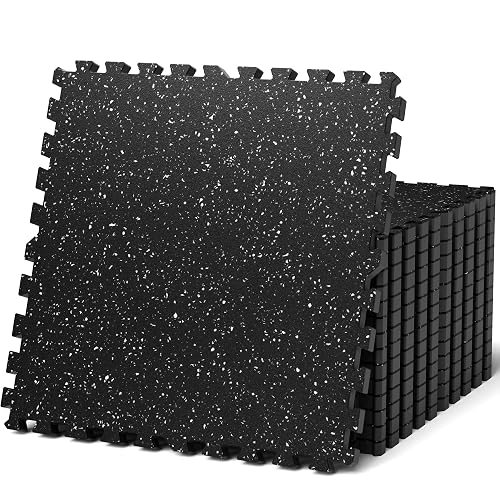
High Density Gym mat with Upgraded Rubber Top, 12 Pcs Interlocking EVA Foam Exercise Equipment mat, Workout Mat, Black/Grey SUPERJARE 0.56'' Thick 48 Sq Ft Rubber Top Gym Flooring for Home Gym
Best for: Most home gyms that need a balanced all-around floor.
This is a practical middle-ground choice for a standard garage or spare-room gym. The 0.56-inch profile is thick enough to soften dumbbell and kettlebell landings without making the surface feel unstable under a squat rack or bench.
Key specs
- Thickness: 0.56 inches
- Pieces: 12 interlocking tiles
- Coverage: 48 sq ft
- Construction: high-density EVA foam base with rubber top
Pros
- Thickness suits most general strength and cardio equipment
- Interlocking edges keep seams tight across the floor
- Coverage size works well for a single equipment zone
Cons
- 48 sq ft may not cover a full multi-station gym
- Owners often mention the tiles can be firm when first unpacked
Bottom line: A strong default for someone who wants one reliable thickness for mixed lifting and cardio.
Interlocking Gym Flooring for Home Gym, Heavy Duty Gym Mat (0.56″, 12 Tiles)
Interlocking Gym Flooring for Home Gym, Heavy Duty Gym Mat, Non-Slip High Density EVA Foam, 24x24in Tiles, Protect Floors 0.56" Thick Rubber Top Exercise Equipment Mats, 12 Tiles 48 Sq Ft
Best for: Heavy lifting and high-impact training.
Lifters who drop weights regularly will appreciate the heavy-duty positioning of this 0.56-inch tile. It is marketed around protecting subfloors from equipment and impact.
Key specs
- Thickness: 0.56 inches
- Tile size: 24 x 24 inches
- Pieces: 12 tiles
- Coverage: 48 sq ft
Pros
- Heavy-duty marketing matches frequent weight drops
- 24-inch tiles reduce the number of seams
- Non-slip surface helps under barbell work
Cons
- Tiles are on the firmer side for some users
- Coverage is limited to one medium-sized zone
Bottom line: Best for lifters who prioritize impact absorption over softness.
High Density EVA Foam Mats with Rubber Top (SUPERJARE 0.4″, 24 Pcs)
High Density EVA Foam Mats with Rubber Top, Interlocking Gym Flooring for Home Gym, Protective Workout Mat, Black/Grey SUPERJARE 0.4'' Thick 24 Pcs 96 Sq Ft Rubber Top Exercise Equipment Mats
Best for: Small or tight spaces that still need coverage.
At 0.4 inches, this option is thinner than the others here, so it suits lighter equipment and bodyweight work. The 24-piece count covers 96 square feet, which is useful for larger floor plans.
Key specs
- Thickness: 0.4 inches
- Pieces: 24 interlocking mats
- Coverage: 96 sq ft
Pros
- Large coverage for the price tier
- Thinner profile keeps equipment heights manageable
- Good for low-impact and cardio zones
Cons
- Less cushioning for heavy drops than 0.56-inch options
- Owners sometimes report more flex on hard subfloors
Bottom line: A sensible pick when you need square footage and do not plan to drop heavy weights often.
Ultra-grip Interlocking Gym Floor Mat (0.56″, 24 x 24 in)
Ultra-grip Interlocking Gym Floor Mat, 24 X 24in Rubber Gym Flooring for Home Gym, Protect Floors from Equipment 0.56" Thick Rubber Top Gym Mats, Heavy Duty Gym Mats for Home Gym
Best for: Grip-focused training such as sled work and kettlebell flows.
The textured rubber top is the main selling point here. It is designed to resist shifting during dynamic movement, which matters when you are pushing, pulling, or moving quickly.
Key specs
- Thickness: 0.56 inches
- Tile size: 24 x 24 inches
- Surface: textured non-slip rubber top
Pros
- Textured surface supports traction during dynamic work
- 0.56-inch thickness balances cushion and stability
- Interlocking design keeps mats from separating
Cons
- Textured tops can be harder to sweep for some owners
- Coverage per box depends on the piece count you order
Bottom line: Good for functional training where footing matters as much as cushioning.
Rubber Top Floor Tiles (SUPERJARE 0.79″, 12 Pcs)
Rubber Top Floor Tiles with High Density EVA Foam, Interlocking Gym Flooring for Home Gym, Workout Mat, Black/Grey SUPERJARE 0.79'' Extra-Thick 12 Pcs 48 Sq Ft Exercise Equipment Mats
Best for: Drop-heavy training and protecting concrete floors.
At 0.79 inches, this is the thickest tile in the group. It adds more height, which can matter when you want a bit more cushion under heavy equipment or long sessions on your feet.
Key specs
- Thickness: 0.79 inches
- Pieces: 12 tiles
- Coverage: 48 sq ft
Pros
- Extra thickness adds noticeable cushion
- Good for heavy drops and high-impact equipment
- Rubber top resists scuffing
Cons
- Added height can affect equipment clearance and door thresholds
- Thick tiles may feel less stable under narrow-base machines
Bottom line: The right choice when maximum impact absorption outranks low profile and stability.
Non-Slip Interlocking Workout Mat (0.56″, 48 Sq Ft)
Non-Slip Interlocking Workout Mat, 24 x 24in Large Gym Floor Mat, Protect Floors from Equipment, 48 Sq Ft, Black/Grey 0.56" Rubber Top Gym Flooring, Heavy Duty Gym Mats for Home Gym
Best for: Budget-conscious home gyms that still need a heavy-duty feel.
This 0.56-inch, 48-square-foot setup gives you the same core thickness as several pricier options, making it a practical pick for a first home gym floor.
Key specs
- Thickness: 0.56 inches
- Coverage: 48 sq ft
- Surface: non-slip rubber top
Pros
- Same thickness as mid-range options
- Non-slip surface suits general lifting
- Good coverage for a single equipment zone
Cons
- Fewer specification details are available than with some brands
- Owners sometimes report edges need extra attention to stay flat
Bottom line: A solid starting point for a new home gym where thickness matters but the budget is tight.
Buying Guide
Thickness: How Much Is Enough?
For most home gyms, 0.4 to 0.6 inches covers general strength training and cardio. Heavier lifting and dropped weights generally call for 0.56 inches or more. Thicker tiles around 0.79 inches add cushion but raise equipment height.
Good picks for this: SUPERJARE 0.56″ Rubber Top Gym Flooring, Rubber Top Floor Tiles (0.79″)
Density and Foam Base
High-density EVA foam holds its shape under heavy equipment, while lower-density foam compresses more and can take longer to recover. Check whether the listing names a high-density base.
Good picks for this: Interlocking Gym Flooring for Home Gym (Heavy Duty), SUPERJARE 0.56″ Rubber Top Gym Flooring
Coverage and Piece Count
Measure your floor first. Multiply length by width, then compare against the square footage listed. Remember to leave room for equipment clearance and walking space.
Good picks for this: SUPERJARE 0.4″ Thick 24-Piece Mats, Non-Slip Interlocking Workout Mat
Surface Grip and Texture
A textured rubber top helps with footing during sled pushes, kettlebell swings, and fast transitions. Smooth tops are easier to wipe but can allow more sliding.
Good picks for this: Ultra-grip Interlocking Gym Floor Mat, Non-Slip Interlocking Workout Mat
Interlocking Design and Seams
Tight-fitting interlocking edges reduce gaps where dust and sweat collect and keep tiles from drifting. Larger 24 x 24 inch tiles mean fewer seams overall.
Good picks for this: Ultra-grip Interlocking Gym Floor Mat, Interlocking Gym Flooring for Home Gym (Heavy Duty)
Subfloor and Installation Surface
Concrete, wood, and basement slabs each behave differently under mats. Thin mats can flex on uneven subfloors, so a thicker profile often feels more stable there.
Good picks for this: Rubber Top Floor Tiles (0.79″), SUPERJARE 0.56″ Rubber Top Gym Flooring
Care and Maintenance
Rubber tops generally handle sweep-and-wipe cleaning. Textured surfaces can trap grit, so plan on regular vacuuming and occasional damp cleaning with a mild cleaner.
Good picks for this: Ultra-grip Interlocking Gym Floor Mat, Non-Slip Interlocking Workout Mat
FAQ
What thickness rubber flooring for a home gym is best for most people?
Around 0.56 inches is a common middle ground. It cushions typical dumbbell work and cardio without raising equipment too high.
Is 0.4 inches thick enough for heavy weights?
It can work for light to moderate lifting, but owners who drop heavy weights often prefer 0.56 inches or thicker for better impact absorption.
Do I need thicker flooring for a squat rack?
Thickness helps with cushioning, but a squat rack needs a stable, level base. Confirm the mat stays flat under the rack’s footprint before loading it.
Should I choose interlocking tiles or rolls?
Interlocking tiles are easy to install, replace individually, and reconfigure. Rolls can cover larger areas with fewer seams but are harder to move once laid.
How do I measure how many mats I need?
Measure the length and width of the area in feet, multiply them, and compare the result to the listed square footage. Add extra for clearance around equipment.
Will rubber flooring damage my concrete floor?
Rubber generally protects concrete, but trapped moisture or heavy static loads can cause staining or indentation over time. Lift mats occasionally to check the floor underneath, and consult a flooring professional if you notice moisture or damage.
Conclusion
For most home gyms, the SUPERJARE 0.56-inch 12-piece set offers a balanced thickness and coverage. Heavy lifters should look at the 0.56-inch heavy-duty tiles or the 0.79-inch option. Small spaces with lighter training fit the 0.4-inch 24-piece mats, while grip-focused training suits the textured Ultra-grip tile. The budget workout mat is a sound starting point when thickness matters but spending needs to stay modest.
Sources
- Product safety guidance on reducing fall and impact injuries at home (cpsc.gov)
- Workplace floor and walking-surface safety standards relevant to slip resistance (osha.gov)
- Standards for rubber and foam materials, including density and slip-resistance test methods
Related reading
- Rubber Gym Flooring Installation Cost: What Home Gyms Really Pay (2026)
- What Is Woven Vinyl Gym Flooring and Is It Right for a Home Gym?
- Top 7 Rubber Gym Flooring Roll Options for Home Gyms in 2026
- Top 6 Wood Look Rubber Gym Flooring Options for Home Gyms (2026)
- Top 6 Recycled Rubber Gym Flooring Options for Home Gyms (2026)
- Top 5 Rubber Flooring Tiles for Home Gym Workouts in 2026
- Top 5 Luxury Home Gym Flooring Options with Premium Thickness and Finish
- Top 5 Interlocking Rubber Gym Floorings for Home Gyms in 2026
About Graham Fisher
Graham Fisher is part of our editorial team and reviews and edits our budget home gym equipment guides, checking product details against manufacturer specifications and owner feedback.