 By Ethan Brooks
Updated November 2026
Weight bench exercises for women cover a wide range of movements, from chest presses and rows to split squats and hip thrusts. This guide shows you how to set up a bench safely, which core exercises to start with, and how to progress over time. You will end with a simple full-body routine you can run three times a week in a small space.
Set Up Your Bench for Safe Training
Before you load any weight, get the basics right. Most bench injuries come from poor positioning, not from heavy weight.
- Place the bench on a flat, non-slip surface with at least 2 feet of clearance on all sides.
- Check that the bench locks securely at each incline or the flat position before you sit down.
- Keep a pair of adjustable dumbbells or a light barbell within reach, but on the floor, not balanced on the bench.
- For single-arm rows or step-ups, make sure the bench is stable and does not rock.
If you are buying or assembling a bench, the Weight Lifting Bench Used: How to Buy a Secondhand Bench Safely guide covers what to inspect on used models.
Core Upper-Body Exercises on a Flat or Incline Bench
Start with movements that build pressing and pulling strength. Use a weight you can lift for 10 to 12 controlled reps with two or three reps left in reserve.
Dumbbell Chest Press
Lie flat with your feet on the floor and your shoulder blades pulled slightly back. Press the dumbbells up over your chest, then lower them until your elbows reach about a 90-degree angle. Keep your wrists stacked over your elbows.
One-Arm Dumbbell Row
Place one knee and the same-side hand on the bench. Pull the dumbbell toward your hip, keeping your elbow close to your body, then lower it fully. Work one side, then switch.
Incline Shoulder Press
Set the bench to a 45 to 60 degree angle, sit upright, and press the dumbbells overhead without arching your lower back. Lower them to shoulder height with control.
Lower-Body and Glute Movements Using the Bench
The bench also works as a support for leg and glute training, which matters for balanced strength.
- Bulgarian split squat: Place your rear foot on the bench, front foot about two feet forward. Lower your back knee toward the floor, then drive up through your front heel. Hold dumbbells at your sides.
- Hip thrust: Rest your upper back on the bench edge, with feet flat and knees bent. Drive your hips up, squeeze your glutes at the top, and lower under control.
- Step-up: Step onto the bench with one foot, stand fully, then step down. Alternate legs and keep your knee tracking over your toes.
If you want a bench designed with leg work in mind, the Weight Bench Exercises Legs: 6 Best Picks for Home Gyms (2026) roundup compares options.
Build a Simple Full-Body Routine
Train three days a week with at least one rest day between sessions. Pick one exercise from each category below and complete three sets of 8 to 12 reps.
| Movement | Example Exercise | Sets x Reps |
|---|---|---|
| Push | Dumbbell chest press | 3 x 8–12 |
| Pull | One-arm dumbbell row | 3 x 8–12 per side |
| Legs | Bulgarian split squat | 3 x 8–10 per side |
| Glutes | Hip thrust | 3 x 10–12 |
Add weight when you can complete all sets with good form. Small jumps, such as 2.5 to 5 pounds, are usually enough to keep progress steady.
Common Mistakes and Tips
- Arching the lower back during presses. Keep your ribs down and your core braced.
- Letting the bench move mid-set. Lock it in place before every exercise.
- Rushing the lowering phase. Count to two on the way down for better control.
- Skipping warm-up. Do two light sets before your working weight.
- Ignoring recovery. Sleep and protein intake affect how quickly you adapt.
Recommended Gear
A stable, adjustable bench is the centerpiece. Look for one that locks firmly at several inclines so you can switch between pressing and rowing positions.
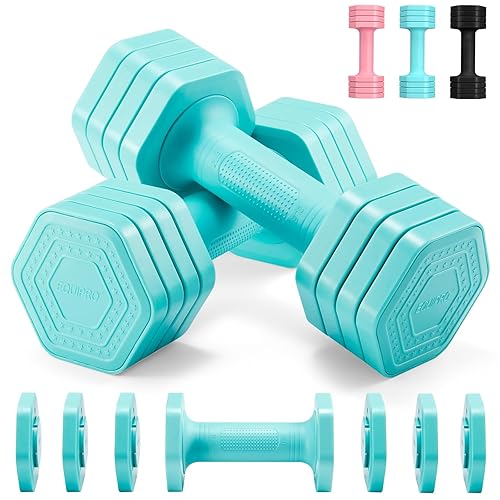
Adjustable dumbbells let you progress without buying a full rack of weights. They save space and make small weight increases easy.
A non-slip exercise mat under the bench protects your floor and keeps the bench from sliding during heavier sets. View on Amazon
FAQ
How heavy should I start with on a weight bench?
Choose a weight that lets you complete 10 to 12 reps with good form and leave two or three reps in reserve. Most beginners start lighter than they expect and increase gradually.
How often should women train with a weight bench?
Three full-body sessions per week work well for most people starting out. Allow at least one rest day between sessions so your muscles can recover.
Do I need a bench with an incline to get results?
A flat bench covers the basics, but an incline adds shoulder and upper-chest variety. If you can only buy one, a flat bench works for most beginner routines. Consult a qualified trainer if you have an injury or medical condition before starting.
Conclusion
Weight bench exercises for women can build strength across the chest, back, legs and glutes with just a few movements. Set up your bench carefully, start with moderate weights, and add load steadily. Consistency over several months will matter far more than any single workout.
Related reading
Ready to choose one?
About Ethan Brooks
Ethan Brooks is part of our editorial team and reviews and edits our budget home gym equipment guides, checking product details against manufacturer specifications and owner feedback.