 By Ethan Brooks
Updated November 2026
All in one adjustable dumbbells let you swap weight from one compact set of handles and plates, which means you can cover most of a dumbbell workout without filling a room with racks. This guide explains how these systems are built, how to judge weight range, handle comfort and adjustment speed, and how to set one up and train with it safely. By the end, you will know what to look for and how to avoid the mistakes that make many owners regret their purchase.
What Makes a Dumbbell “All in One”?
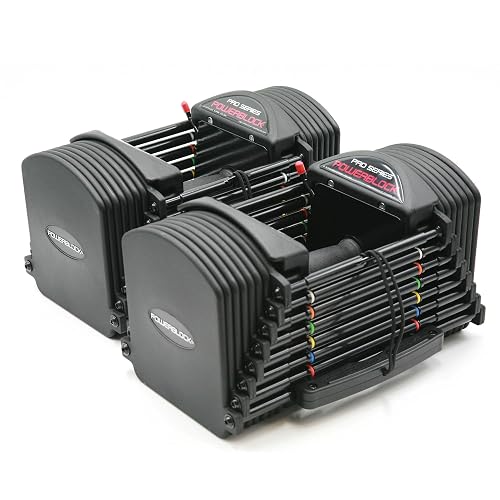
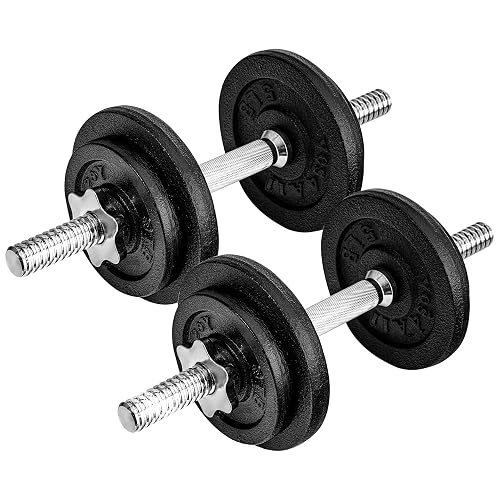
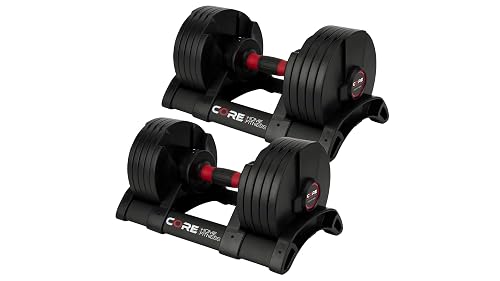
Most adjustable dumbbell designs fall into one of two categories. The first is a selector-style set, where a dial, pin or lever engages a stack of plates inside a housing, so one handle delivers a range of weights. The second is a plate-loading design, where you add plates to a handle and secure them with collars. Both are sometimes marketed as “all in one” because a single pair replaces a full rack of fixed dumbbells.
Shopping for one? See our guide: Bowflex SelectTech Adjustable Dumbbells Review (2026).
The trade-off is simple. Selector sets are fast to change, but they usually carry a lower maximum weight and a bulkier head. Plate-loaded designs can reach heavier loads and feel more like a traditional barbell handle, but changing weight takes longer and requires more plates on hand. For another angle, check out Dumbbells: Fixed vs Adjustable, Safety and Storage.
Common Designs You Will See
- Dial selectors: Turn a knob to choose the weight. Compact and quick, but check the stated maximum carefully.
- Pin or lever selectors: Insert a pin into a plate stack. Often sturdy, with a clear visual of the selected weight.
- Plate-loaded handles: Add plates and collars. Best for heavier loads and for users who want more control over increments.
- Pairs with stands or trays: Some sets include a cradle that keeps the heads organized and reduces floor clutter.
Step 1: Decide the Weight Range You Actually Need
Start with your training goals rather than the biggest number on a box. A beginner doing curls, presses, rows and squats may progress comfortably with a maximum that feels light to a stronger lifter. Think about the heaviest exercise you plan to do with dumbbells and the heaviest you expect to use in the next year or two.
A practical way to plan:
- List your five most-used dumbbell exercises (for example, goblet squat, shoulder press, bent-over row, lateral raise, Romanian deadlift).
- Note the weight you can perform for 8 to 12 clean reps in each one.
- Add the weight you expect to use after several months of consistent training.
- Choose a set whose maximum covers that number, with some room to spare.
Pay attention to the minimum weight as well. Some selector sets start at a fairly high load, which can make lateral raises or biceps curls awkward. If you need very light increments for upper-body isolation work, look for a low starting weight or plan to supplement with a light pair.
Step 2: Check Increments and Adjustment Speed
Increment size determines how smoothly you can progress. Many selector sets move in steps of roughly 2.5 to 5 pounds at the lower end and larger jumps at higher weights. Smaller increments help when you are working on presses or rows where a 10-pound jump feels too big.
| Design | Typical strengths | Typical limits | Best for |
|---|---|---|---|
| Dial selector | Fast changes, compact footprint | Lower maximum, possible grip bulk | Home lifters short on space |
| Pin selector | Clear weight display, sturdy build | Mid-range maximum, pins can wear | Users who want visual confirmation |
| Plate-loaded | High maximum, fine increments | Slower changes, needs spare plates | Heavier lifters, strength focus |
Time a few changes in your head before you buy. If you plan to do supersets or circuit work, a design that takes thirty seconds per change will slow your session noticeably.
Step 3: Evaluate Handle and Head Comfort
The handle is where most owners notice problems first. Look for a grip diameter that feels close to a standard dumbbell, with enough knurling to hold well when your hands are sweaty. Very thick handles tire the forearms faster and can make pressing movements feel unstable.
The head shape matters too. Heads that stick out far from the handle can knock your shins during floor exercises or make dumbbell rows uncomfortable. Shorter, rounder heads usually fit better in tight spaces. If you plan to do floor presses or push-ups on the handles, check that the heads will not dig into your wrists or ribs.
Step 4: Confirm Build Quality and Safety Features
Look at how the selector or collar engages. On selector sets, the pin or dial should lock positively and should not rattle under load. On plate-loaded designs, collars need to clamp firmly, and the handle should have a shoulder or stop that keeps plates from sliding off.
- Check the stated maximum weight and whether it applies to the whole pair or to each dumbbell.
- Look for coated or sealed plates to reduce chipping and corrosion.
- Confirm the handle is securely attached to the housing with no visible play.
- Read owner comments about durability of dial mechanisms or pins, since these are the most common wear points.
Owners often report that the weakest point is the locking mechanism rather than the plates. Test it by setting a weight, lifting the dumbbell off the floor and gently shaking it. Anything that shifts or unlocks should be a dealbreaker.
Step 5: Set Up Your Space
All in one dumbbells are compact, but they still need a stable base. Work on a rubber mat or flooring that absorbs impact, especially if you plan to drop the weights between sets. Leave enough clearance for overhead presses, typically at least a couple of feet of ceiling height above your head when standing.
- Clear a space about six feet by six feet for basic dumbbell work.
- Place a stand or tray within arm’s reach so you can change weight without bending awkwardly.
- Set a mat under the stand and mark your training zone if you share the room.
- Keep spare collars or pins in a labeled spot so they do not get lost.
Step 6: Use Proper Technique When Changing Weight
Always change the weight with the dumbbell resting on the floor or in its stand. Adjusting while holding the head invites pinched fingers and dropped plates. For plate-loaded designs, tighten both collars before lifting, and check them again after the first few sets, since collars can loosen with use.
When you lift, start with your technique at a weight you can control fully. Rows, presses and squats all benefit from a smooth tempo. If the dumbbell shifts in your hand, stop and reseat your grip or reduce the load.
Common Mistakes
- Buying for the maximum only. A huge top weight is useless if the increments are too big or the minimum is too heavy for your accessory work.
- Ignoring head shape. Bulky heads can make floor work and rows miserable.
- Skipping the lock test. A pin or dial that moves under load is a safety problem.
- Setting up on bare concrete. Dropped plates can chip the floor and damage the set.
- Forgetting to tighten collars. Loose plates can shift mid-set and throw off your balance.
- Overloading early. Starting heavy for the sake of a number raises injury risk. Build up gradually.
Tips for Getting the Most Out of Your Set
- Log the weight you use for each exercise so you know when to progress.
- Pair a heavier pair with a lighter one if your routine includes both large compound lifts and small isolation work.
- Keep the adjustment mechanism clean and dry. Dust and sweat can slow pins and dials.
- Revisit your weight plan every few months as your strength changes.
If you are using these for rehabilitation, returning from an injury, or training with a medical condition, talk with a physical therapist or doctor before starting a new program, and ask a qualified trainer to check your form.
Recommended gear
A sturdy stand or cradle keeps the heads organized, protects the handles and makes weight changes quicker. Search for a dumbbell stand that matches your set’s shape, since not every cradle fits every design. View on Amazon
A rubber gym mat under the training area absorbs drops and protects floors, which is especially useful with plate-loaded designs. View on Amazon
Spare spring collars or replacement pins are worth having on hand, since these small parts are the ones most likely to wear or get lost over time. View on Amazon
A simple set of resistance bands can supply light work for lateral raises and warm-ups when your heaviest weight is set too high for the exercise.
Further Reading
If you are still weighing your options, the Best Adjustable Dumbbells for Home Gyms: 5 Compared roundup walks through several designs side by side. For a plate-based setup, see Top 6 Adjustable Dumbbells with Plates for Home Gyms. Once you own a pair, Workout with Adjustable Dumbbells: A Step-by-Step Guide for Beginners gives you a session structure to follow. If you are planning a storage solution, Rack for Adjustable Dumbbells: How to Choose and Set One Up (2026) covers that setup. And if the price of heavier sets has you puzzled, Why Are Adjustable Dumbbells So Expensive? Key Reasons Explained explains where the cost comes from.
FAQ
Are all in one adjustable dumbbells as strong as a full rack of fixed dumbbells?
They can cover the same exercises, but the maximum weight of a single pair is usually lower than the heaviest fixed dumbbells in a commercial gym. For most home training, the range is sufficient, especially when combined with bands or a barbell for heavier work.
How much space do they need?
A footprint of about six feet by six feet is enough for standing and floor work. Make sure you also have clearance overhead for presses and room to lie down on a bench if you plan to use one.
Can I use them for bench press?
Yes, provided the heads do not dig into your ribs or arms when you lower the weight. Test the setup on a stable bench before loading heavy weight, and use a spotter or safety pins when pressing heavy.
How do I know the weight is locked in?
Set the weight, lift the dumbbell an inch off the stand and shake it gently. The selector should stay put. On plate-loaded models, confirm both collars are fully tightened and the plates do not move.
Do selector dials wear out?
Owners often report that dials and pins are the components that wear first, especially with heavy use or dirt buildup. Keep the mechanism clean and check it regularly for play or sticking.
Are these good for beginners?
Often yes, because they let you start light and add weight gradually without buying multiple pairs. Pick a set with a low minimum weight so you can work on smaller muscle groups comfortably.
Can I train through an injury with them?
Only with guidance. Consult a physical therapist or doctor before using any loaded equipment during rehabilitation, and follow their limits on weight and movement.
Conclusion
All in one adjustable dumbbells can cover a wide share of home strength work when you match the weight range, increments and handle design to your training. Test the locking mechanism, confirm the head shape fits your exercises, and plan a stable setup with a mat and stand. Start with weights that let you control every rep, and increase load as your technique and strength improve.
Ready to choose one?
Related reading
- Rack for Adjustable Dumbbells: How to Choose and Set One Up (2026)
- Light Weight Adjustable Dumbbells: Which Ones Are Worth It?
About Ethan Brooks
Ethan Brooks is part of our editorial team and reviews and edits our budget home gym equipment guides, checking product details against manufacturer specifications and owner feedback.