 By Ethan Brooks
Updated November 2026
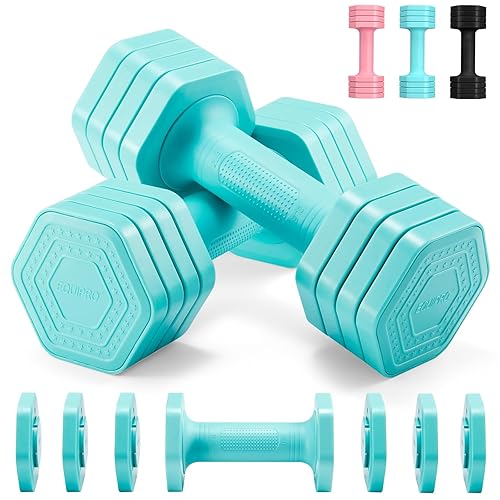
Adjustable dumbbells with 2kg increments let you move up in small, controlled steps as you get stronger. This guide explains how that spacing works, how to decide whether it fits your training, and how to set up a weight progression you can actually follow. Most of the advice applies whether you train with a single adjustable pair or a larger set.
What 2kg Increments Actually Mean
A 2kg increment means each change in load adds 2 kilograms per dumbbell, usually by adding or removing one plate or selector step. Because the dumbbell is typically sold as a pair, a single step changes the total weight you hold by about 4kg in each hand-pair combined, depending on the design. Check the manufacturer’s stated increment and whether it refers to each dumbbell or the pair before you plan around it.
Shopping for one? See our guide: Bowflex SelectTech Adjustable Dumbbells Review (2026).
How to Plan Your Weight Progression
Smaller jumps make it easier to keep your reps clean, especially on exercises where your upper body is the limiting factor. The approach below works for most lifters using adjustable dumbbells.
- Find the heaviest weight you can perform 8 to 12 clean reps with on each exercise.
- Test the next 2kg step. If you can do 8 reps with good form, keep it. If you fall below 6 reps, drop back.
- Record each exercise and load in a notebook or phone note so you can see progress over weeks.
- Increase weight only after you hit the top of your rep range for two consecutive sessions.
- Reassess every 4 to 6 weeks, since your strength curve will not climb in a straight line.
Matching Increments to Your Exercises
Not every movement needs the same jump size. Compound lifts that load your whole body tend to move faster than isolated ones, so the 2kg step can feel large on lateral raises and small on goblet squats. Many lifters use 2kg jumps for pressing and rowing, and handle lighter accessory work with a separate set of lighter dumbbells or by adding reps instead of weight.
| Exercise type | Typical approach with 2kg steps |
|---|---|
| Pressing (floor or bench) | Increase weight when you complete the top of your rep range for two sessions |
| Rows and hinges | Progress steadily; 2kg is usually a comfortable step |
| Lateral and rear raises | Often better to add reps first, since 2kg can be a big jump |
| Curls and triceps work | 2kg steps are often useful here for steady gains |
Setup Tips for a Home Gym Floor
Keep your dumbbells on a stable, level surface with enough clearance for swinging or pressing movements. Rubber flooring under a rack or bench reduces noise and protects the floor. If you plan to store weights in a rack, confirm the rack’s spacing matches the dumbbell length before you buy. For a broader look at storage, see Rack for Adjustable Dumbbells: How to Choose and Set One Up (2026).
Common Mistakes
- Jumping straight to the next step after one good set, instead of confirming it over two sessions.
- Ignoring form breakdown, which often shows up as swinging or rushed reps before you notice weight is too heavy.
- Assuming every brand uses the same increment, since selector designs and plate sizes vary.
- Skipping the progression log, which makes it hard to see whether you are actually gaining strength.
- Buying only heavy dumbbells when you still need light weights for lateral raises and rehab-style work.
Recommended Gear
A sturdy adjustable bench helps you press and row with a consistent setup. View on Amazon
A rubber gym mat protects the floor and reduces noise when you drop or set weights down. View on Amazon
A simple training log or notebook makes it easy to track each 2kg step over time. View on Amazon
FAQ
Is a 2kg increment too big for beginners?
For many beginners it is a reasonable starting step, especially for pressing and rowing. If a jump feels too large on a specific exercise, add reps at the current weight first before moving up.
Do I need smaller increments than 2kg?
Smaller increments help if you train isolation exercises or have limited upper-body strength. Many lifters combine a 2kg set with a few lighter dumbbells for accessory work.
How often should I change weight?
Change weight only after you hit the top of your rep range for two consecutive sessions with good form. If you are recovering from an injury or unsure about your load, a qualified trainer or physical therapist can help you set a safe progression.
Conclusion
Adjustable dumbbells with 2kg increments give you a practical path to steady progress at home. Plan each jump around your rep range, log your results, and change weight only when your form holds. With a clear system, small steps add up to real strength gains over time.
Related reading
- Adjustable Dumbbells 2.5 Lb Increments: Are They Worth It?
- Why Are Adjustable Dumbbells So Expensive? Key Reasons Explained
- Used Adjustable Dumbbells Sale: A Step-by-Step Buyer's Guide
- Snode vs Nuobell Adjustable Dumbbells: Which Should You Choose?
Ready to choose one?
About Ethan Brooks
Ethan Brooks is part of our editorial team and reviews and edits our budget home gym equipment guides, checking product details against manufacturer specifications and owner feedback.