By Ethan Brooks
Updated November 2026
Choosing between adjustable dumbbells or regular fixed-weight dumbbells comes down to three things: how much weight you need, how much space you have, and how you plan to progress. This guide walks you through each factor so you can settle on the right option. Once you finish, you should know which style matches your training and how to build a set that lasts.
Step 1: Decide How Much Weight Range You Need
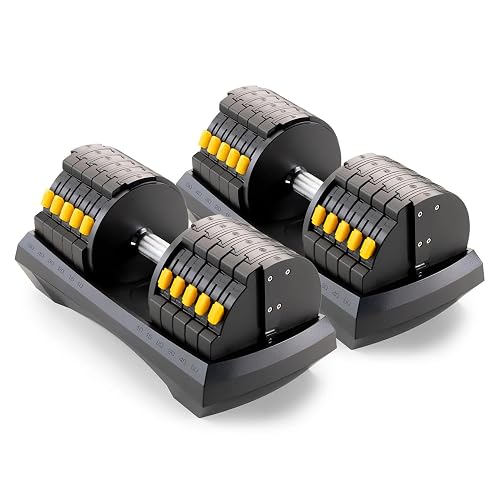
Start with the heaviest and lightest loads you expect to use over the next year. Most beginners do well with a range that covers light isolation work for the shoulders and arms up to moderate loads for squats, rows and presses. Fixed dumbbells come in set increments, so a rack of pairs from 5 to 50 pounds gives you specific steps but requires a lot of floor or wall space. Adjustable dumbbells cover that same range in a single footprint by changing plates or a dial.
Step 2: Measure Your Space and Storage
Regular dumbbells take up far more room than most people expect. A full rack of fixed pairs can occupy a section of wall roughly the width of a standard doorway. Adjustable sets typically sit in a compact cradle or stand that uses about the footprint of one or two pairs. If you train in a spare bedroom or a shared garage, that difference matters more than the price or the brand.
Step 3: Compare Progression and Training Style
Your progression plan decides whether the extra weight increments are worth it. Fixed dumbbells let you jump straight to the next pair, which keeps setup simple during a workout. Adjustable dumbbells let you change weight in small increments, often 2.5 or 5 pounds, which helps with exercises like lateral raises where a large jump is too much. Owners often report that adjustable sets make it easier to run supersets and drop sets because changing weight takes less floor space and fewer trips to the rack.
Quick checklist before you buy
- Write down your heaviest working weight for presses and rows.
- Measure the floor or wall space you can give the set.
- Decide whether you want small increments or pairs at fixed steps.
- Check that the handles and collars suit your grip and training routine.
- Confirm the set fits your ceiling height for overhead work.
Step 4: Weigh Durability and Setup Time
Fixed dumbbells have no moving parts. Once you own a pair, there is little to break or misadjust, which makes them a sound choice for people who prefer simplicity. Adjustable designs have more components, including plate trays, locking collars or dial mechanisms. Manufacturers usually specify how to load and lock the weight, and following that guidance prevents slipping during lifts. Expect a few extra minutes on setup if you switch weights often.
Common mistakes to avoid
- Buying a huge fixed rack before you know which weights you will actually use.
- Ignoring the handle diameter, which affects comfort during heavy rows and curls.
- Forgetting that adjustable sets need clear floor space to change weight safely.
- Choosing the lightest possible set and outgrowing it within a few months.
- Skipping a stable surface or flooring under the weights to protect the floor and reduce noise.
Recommended gear
A sturdy rubber mat helps protect floors and keeps dumbbells from rolling during floor exercises. View on Amazon
A dedicated dumbbell rack keeps fixed pairs organized and easy to reach, which matters if you go with a regular set. View on Amazon
A simple adjustable dumbbell cradle or stand helps keep plates and handles together between sessions. View on Amazon
FAQ
Are adjustable dumbbells as safe as regular ones?
Adjustable dumbbells are safe when loaded and locked according to the manufacturer’s instructions. Check collars or dial mechanisms before every set, especially on heavy lifts.
Which type is better for building muscle at home?
Either can work, as long as the weight range lets you add load over time. Adjustable sets often make progression easier because you can increase the weight in small steps.
Can I start with one pair and add more later?
Yes, many people start with a mid-range set and add heavier or lighter weights as they progress. Just confirm that any new pieces are compatible with what you already own.
Conclusion
Choose adjustable dumbbells if space is tight or you want smaller weight jumps. Choose regular dumbbells if you prefer quick setup and have room for a full rack. For more detail on setup and use, see Adjustable Dumbbells vs Regular Dumbbells (2026): Which Should You Choose? and Workout with Adjustable Dumbbells: A Step-by-Step Guide for Beginners.
Related reading
- Why Are Adjustable Dumbbells So Expensive? Key Reasons Explained
- Which Adjustable Dumbbells with Dial Are Worth Buying? A QA Check
Ready to choose one?
About Ethan Brooks
Ethan Brooks is part of our editorial team and reviews and edits our budget home gym equipment guides, checking product details against manufacturer specifications and owner feedback.