 By Ethan Brooks
Updated November 2026
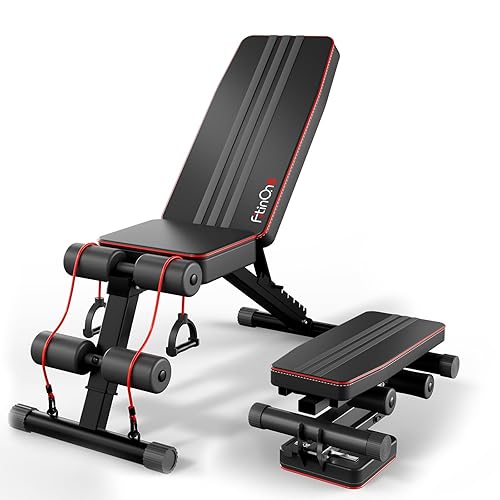
An adjustable weight bench set gives you a flat, incline and decline bench plus a matched pile of weights in one purchase. This guide walks you through choosing the right adjustable weight bench set for your space and training goals, then setting it up so it stays stable under load. The whole process takes less than an hour once you know what to check.
Step 1: Decide What You Need the Bench to Do
Start with your main lifts. If you mostly bench press and do dumbbell presses, you need a bench with a solid flat position and at least one incline angle. If you also want seated shoulder work or rows, look for a bench that reclines fully and has a stable seat base. Think about how much total weight you expect to lift in the next year, because that number drives the weight capacity you should buy.
Shopping for one? See our guide: 4 Best Weight Training Bench Sets for Home Gyms (2026).
Step 2: Check the Weight Set Specifications
Not every set is built the same way. Before you buy, confirm these details on the product listing or manufacturer page:
- Maximum user weight rating for the bench, which is usually given separately from the weight plates.
- Total plate weight included, and whether the plates are cast iron, rubber-coated or vinyl.
- Bar or dumbbell handle type, and whether the collars lock securely.
- Number of adjustment positions and how the backrest locks into each one.
- Footprint of the bench when folded and when fully extended.
Step 3: Set Up the Bench on a Stable Floor
Place the bench on a level surface, ideally rubber flooring or a horse-stall mat at least 3/8 inch thick, to protect the floor and reduce movement. Leave about 2 feet of clearance on each side so you can load plates and step around the bench safely. Attach the backrest and seat according to the manufacturer’s instructions, then tighten every bolt by hand and check it again after your first few sessions. Loose hardware is the most common cause of wobble.
Test the Adjustments Before Loading
Move through every backrest position without weight on the bench. Each locking pin should seat fully and feel solid when you push back against it. Test the incline, flat and decline positions if your model has a decline. If any position slips, do not load the bench until you have fixed it.
Step 4: Load the Weights Evenly
Always load plates evenly on both ends of the bar or both dumbbell handles. Use collars or clips on every loaded end. Start with a light weight for your first set and confirm the bench holds steady through the full range of motion before increasing the load.
Common Mistakes
- Buying a bench rated below your planned lifting weight, or ignoring the user weight limit.
- Skipping the collars, which lets plates slide and unbalance the load.
- Setting up on thin carpet or bare concrete without a mat, which shifts under pressure.
- Leaving hardware untightened after assembly.
- Adjusting the backrest while a load is on the bench.
Recommended Gear
A stable base matters more than most buyers expect. Rubber horse-stall mats help the bench grip the floor and protect your subfloor from scuffs and dents. View on Amazon
Spring clip collars are an inexpensive way to keep plates from sliding during dumbbell or barbell work. View on Amazon
A long-reach adjustable wrench or socket set lets you tighten bench bolts after assembly and during periodic checks. View on Amazon
If you want to compare complete sets before choosing, see Weight Bench with Weights Included: How to Choose the Right Set (2026) and Weight Bench Set with Weights Included: 4 Things to Check Before You Buy (2026). For a deeper look at setup in a small space, read Bench Press Weight Set: How to Build a Safe, Effective Setup at Home.
FAQ
What weight capacity should I look for in an adjustable weight bench set?
Choose a bench rated comfortably above your heaviest planned load, including your own body weight when you use it for seated or incline work. Manufacturers list a user weight limit, so check that figure rather than the plate total.
Do I need rubber flooring under a weight bench?
A dense rubber mat or horse-stall mat is strongly recommended. It keeps the bench from sliding, protects the floor and reduces noise from dropped weights.
How often should I check the bench hardware?
Check bolts and locking pins after the first few uses, then every few weeks. Tighten anything that has loosened, and replace parts that show cracks or deformation. Consult the manufacturer’s manual for specific maintenance guidance.
Conclusion
A well-chosen adjustable weight bench set covers most home strength work when you match its capacity and adjustments to your training. Set it up on a stable mat, test every position before loading, and keep collars on every plate. Check the hardware regularly and your bench will stay safe and steady for years.
Related reading
- Workout Bench and Weight Set: 3 Best Picks Compared for Home Gyms
- Weight Bench for Hip Thrusts: How to Choose and Set One Up (2026)
Ready to choose one?
About Ethan Brooks
Ethan Brooks is part of our editorial team and reviews and edits our budget home gym equipment guides, checking product details against manufacturer specifications and owner feedback.