 By Ethan Brooks
Updated November 2026
Weight bench exercises for glutes give you a solid way to build strength and size in your hips and backside without a full barbell rack. A flat or adjustable bench lets you load the glutes through a longer range of motion, which is why hip thrusts and their variations show up so often in home gym programs. This guide covers the setups, moves and form cues that matter most.
Set Up Your Bench for Glute Work
Most glute movements on a bench depend on positioning more than equipment. Place the bench against a wall or sturdy rack so it cannot slide, and use a pad or folded towel across the hip crease so the bar does not dig in. Adjustable benches are useful here because a flat setting works for hip thrusts, while a slight incline suits some bridge variations.
- A flat or adjustable bench that stays locked in place during movement
- A barbell with bar pad, or dumbbells if you are starting out
- Non-slip flooring or a mat under your feet
- A plate or padded stand to set the bar at hip height
Best Weight Bench Exercises for Glutes
Barbell Hip Thrust
Sit with your upper back against the bench edge and roll the bar over your hips. Drive through your heels to lift your hips until your torso is roughly parallel to the floor, then pause for one second at the top. Keep your chin tucked and ribs down so you feel the work in your glutes rather than your lower back.
Dumbbell Glute Bridge
Lie on your back with knees bent, feet flat and a dumbbell across your hips. Press through your heels and squeeze your glutes at the top, holding briefly before lowering slowly. This is a good option if you have no barbell or want a lighter starting point.
Single-Leg Hip Thrust
Perform the hip thrust with one foot on the floor and the other leg extended. This increases the load on each side and exposes differences between your left and right glutes. Start with bodyweight or a light dumbbell until your balance is steady.
Bulgarian Split Squat
Rest the top of one foot on the bench behind you and lower your back knee toward the floor. Keep most of your weight on the front leg and drive up through the heel. Hold dumbbells at your sides and keep your torso upright.
Step-Up
Step onto the bench with one foot, drive through that heel to stand fully, then lower under control. Use a height that puts your knee at roughly a 90-degree angle at the bottom. Keep the working foot flat rather than pushing off the back toe.
Sets, Reps and Progression
For strength and size, many coaches suggest 3 to 4 sets of 6 to 12 reps for hip thrusts and bridges, and 8 to 12 reps per leg for split squats and step-ups. Add weight or reps each week until you reach the top of your range, then increase the load. Rest 60 to 120 seconds between sets for most of these moves.
Common Mistakes
- Hyperextending the lower back at the top instead of stopping when hips reach full extension
- Letting the bench shift, which makes the setup unstable
- Pushing through the toes rather than the heels
- Using too much weight and losing control on the descent
- Skipping a pad, which leads to bruising and poor focus on the glutes
Recommended Gear
A bar pad protects your hips during barbell thrusts and makes longer sets far more comfortable.
View on Amazon
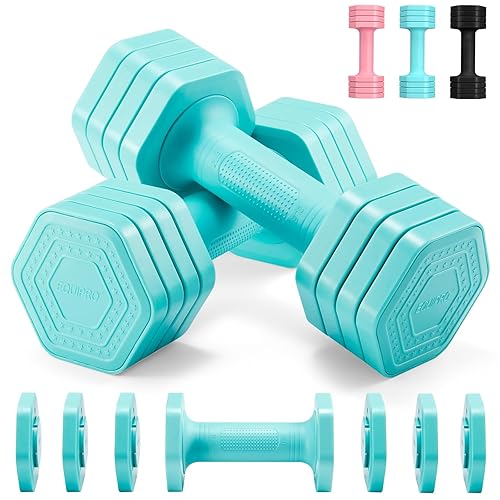
A set of adjustable dumbbells covers bridges, split squats and step-ups without needing a full rack.
View on Amazon
A sturdy flat or adjustable bench gives you a stable base for every movement in this guide.
View on Amazon
If you are still choosing equipment, Weight Bench Exercises Legs: 6 Best Picks for Home Gyms (2026) covers related leg-focused moves, and Weight Bench Fitness Gear: How to Choose the Right Setup (2026) explains what to look for in a bench.
FAQ
Do weight bench exercises for glutes work without a barbell?
Yes. Dumbbell glute bridges, single-leg variations and Bulgarian split squats all build the glutes effectively with dumbbells or bodyweight.
How often should I train glutes on a bench?
Many people train them two to three times per week, leaving at least one rest day between heavy sessions. Recovery matters as much as the sets themselves.
Is back pain a sign I should stop?
Sharp or persistent lower back pain means you should stop and adjust your form or load. If pain continues, consult a doctor or physical therapist before training further.
Conclusion
Hip thrusts, bridges, split squats and step-ups cover most of what you need to build stronger glutes from a bench. Set the bench up securely, prioritize form over load and progress gradually. Consistent work across a few well-chosen moves will do more for your results than chasing heavy weights too soon.
Related reading
- Workout Bench and Weight Set: 3 Best Picks Compared for Home Gyms
- Weight Lifting Bench Used: How to Buy a Secondhand Bench Safely
Ready to choose one?
About Ethan Brooks
Ethan Brooks is part of our editorial team and reviews and edits our budget home gym equipment guides, checking product details against manufacturer specifications and owner feedback.